








Where Light Dwells
2025.07.12-2025.09.14
Artist
张英楠 Zhang Yingnan
张英楠 Zhang Yingnan
Organizer
Yi Space
Yi Space
Curator
Yang Jian
Yang Jian
Supporter
Hive Center For Contemporary Art
Hive Center For Contemporary Art
Address
Yi Space, No. 46-1, Siyi Road, Qingbo Street, Shangcheng District, Hangzhou City
Yi Space, No. 46-1, Siyi Road, Qingbo Street, Shangcheng District, Hangzhou City
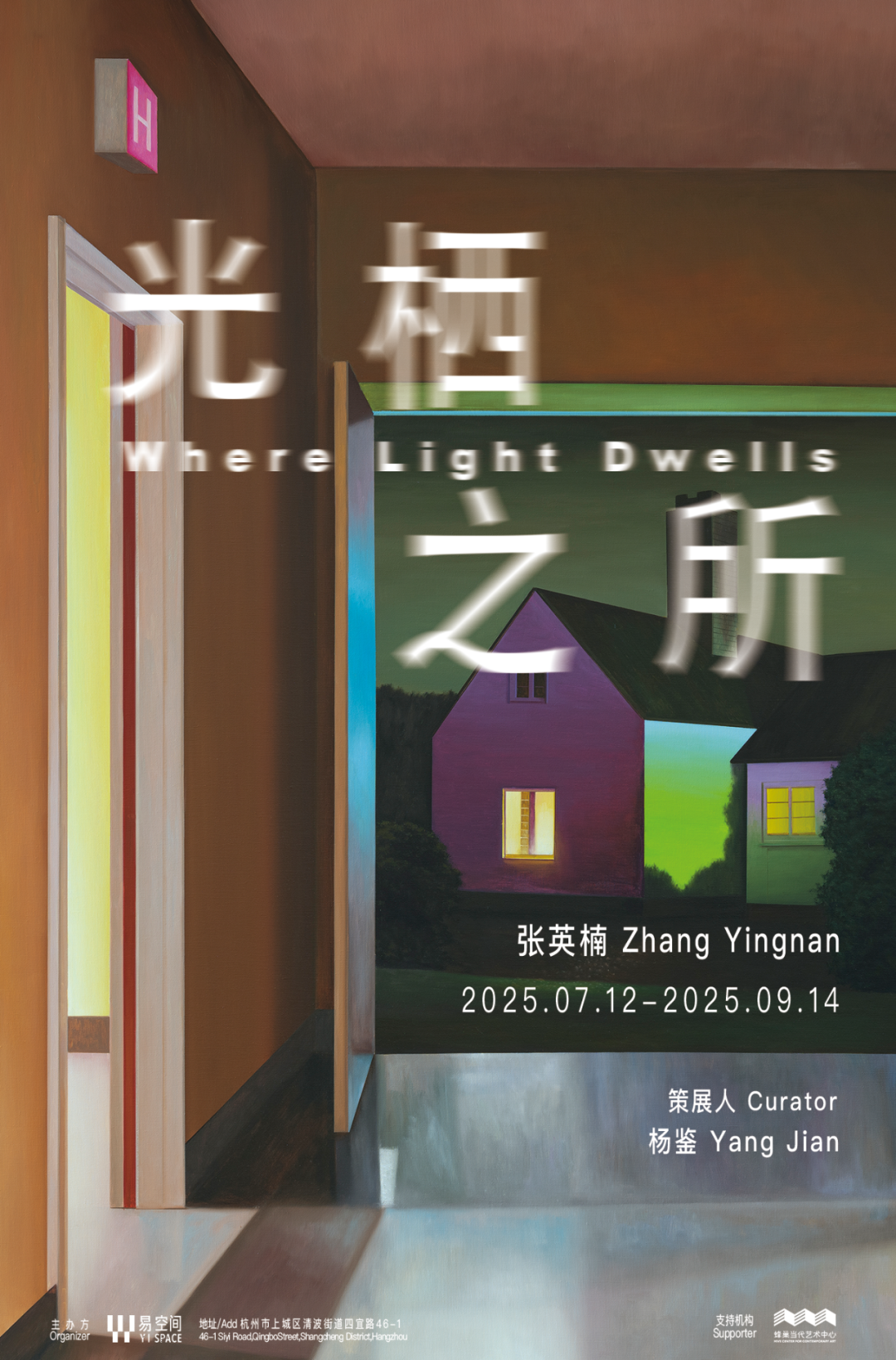
On July 12, 2025, Zhang Yingnan’s solo exhibition Where Light Dwells officially opened at Yi Space. Curated by Yang Jian, the exhibition brings together a series of recent paintings centered on the artist’s long-standing exploration of “interior landscapes,” weaving a spiritual tableau that interlaces memory and imagination, rationality and emotion. Through a carefully choreographed interplay of light and spatial arrangement, the exhibition constructs a fluid yet contemplative theatrical environment, inviting viewers to traverse between stillness and the unknown, and to embark on a profound dialogue about space, perception, and memory.
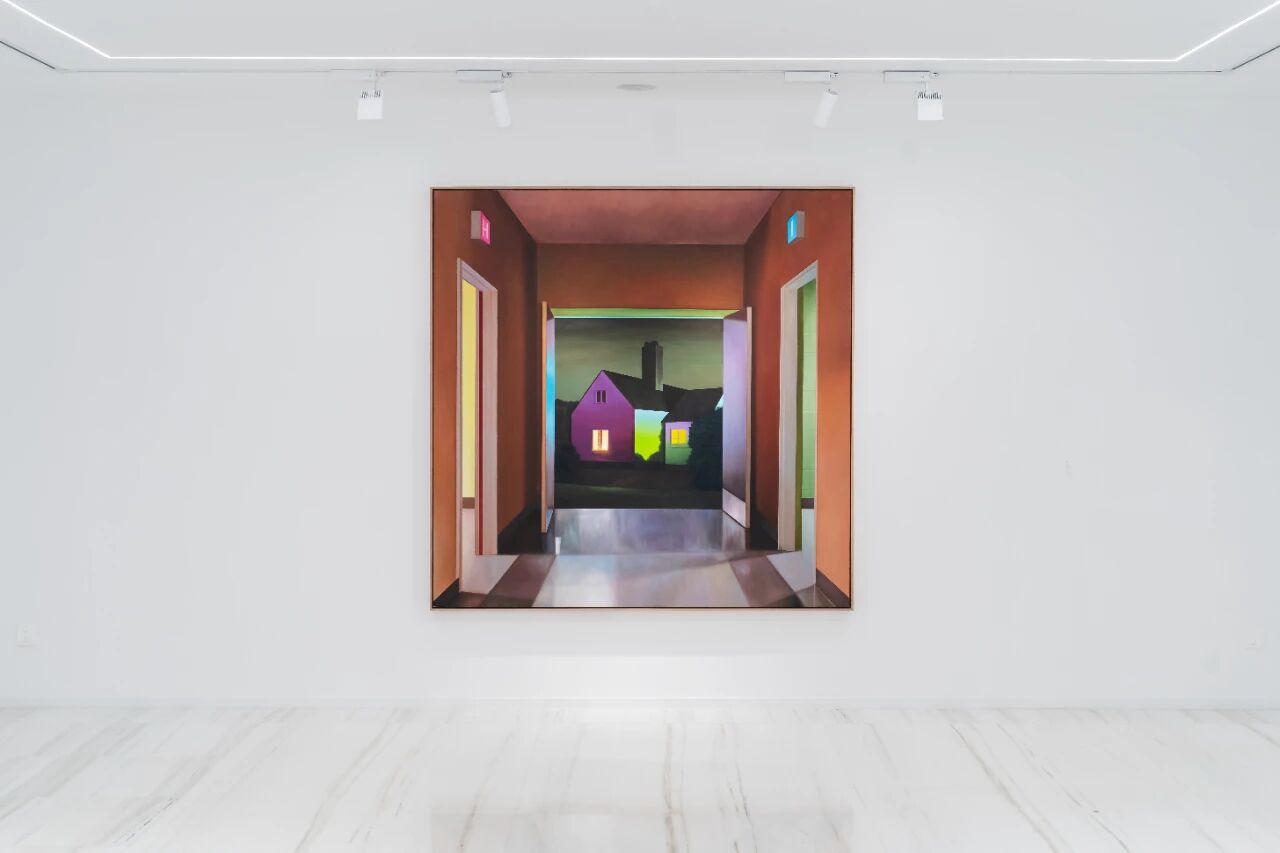
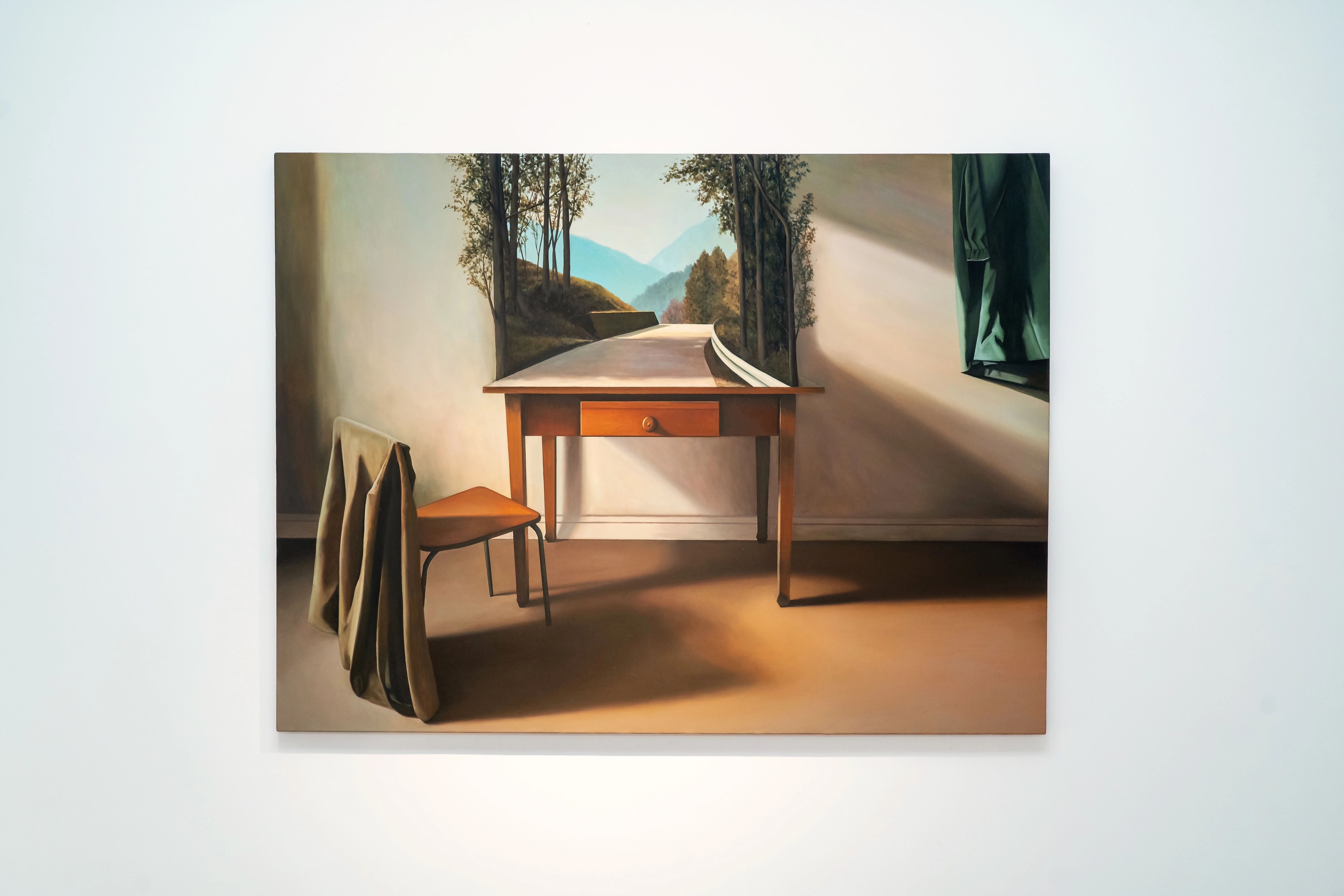
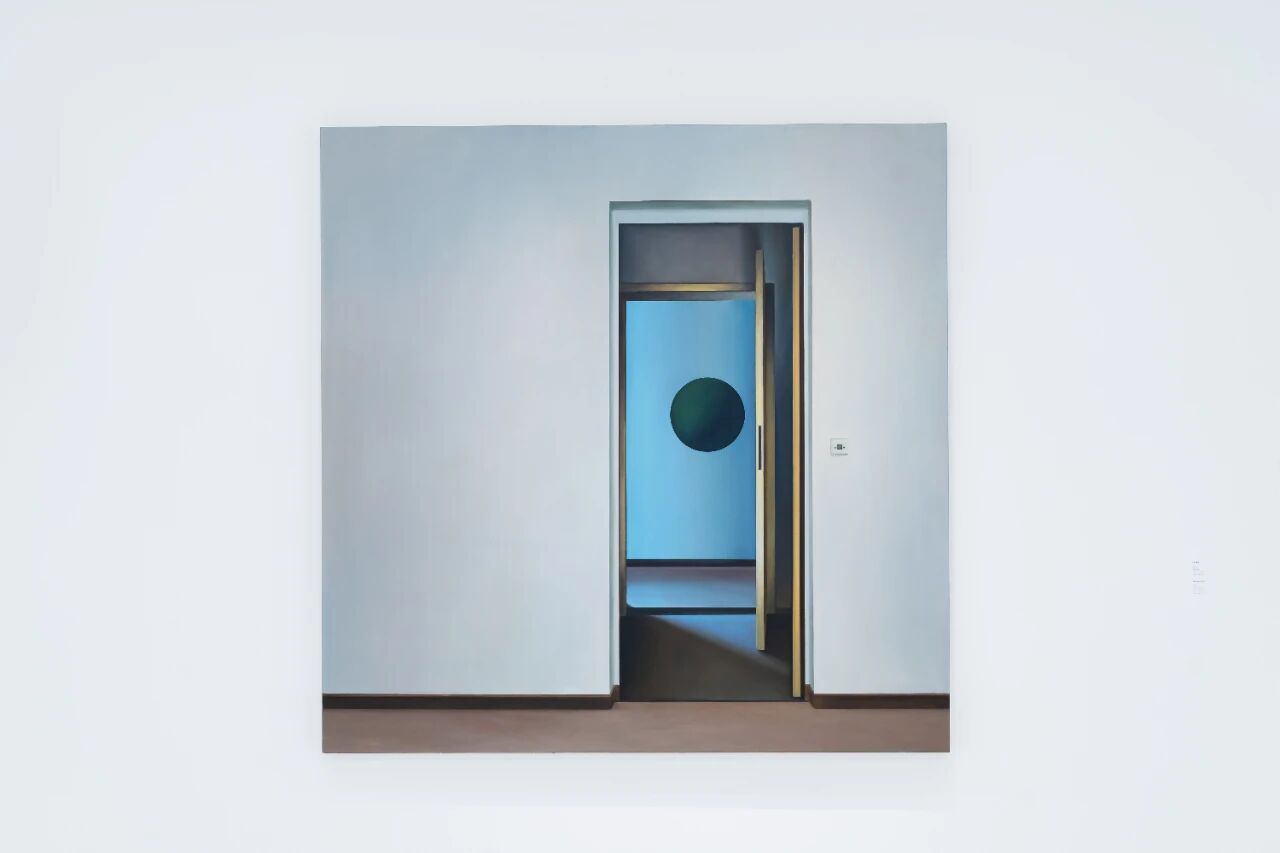
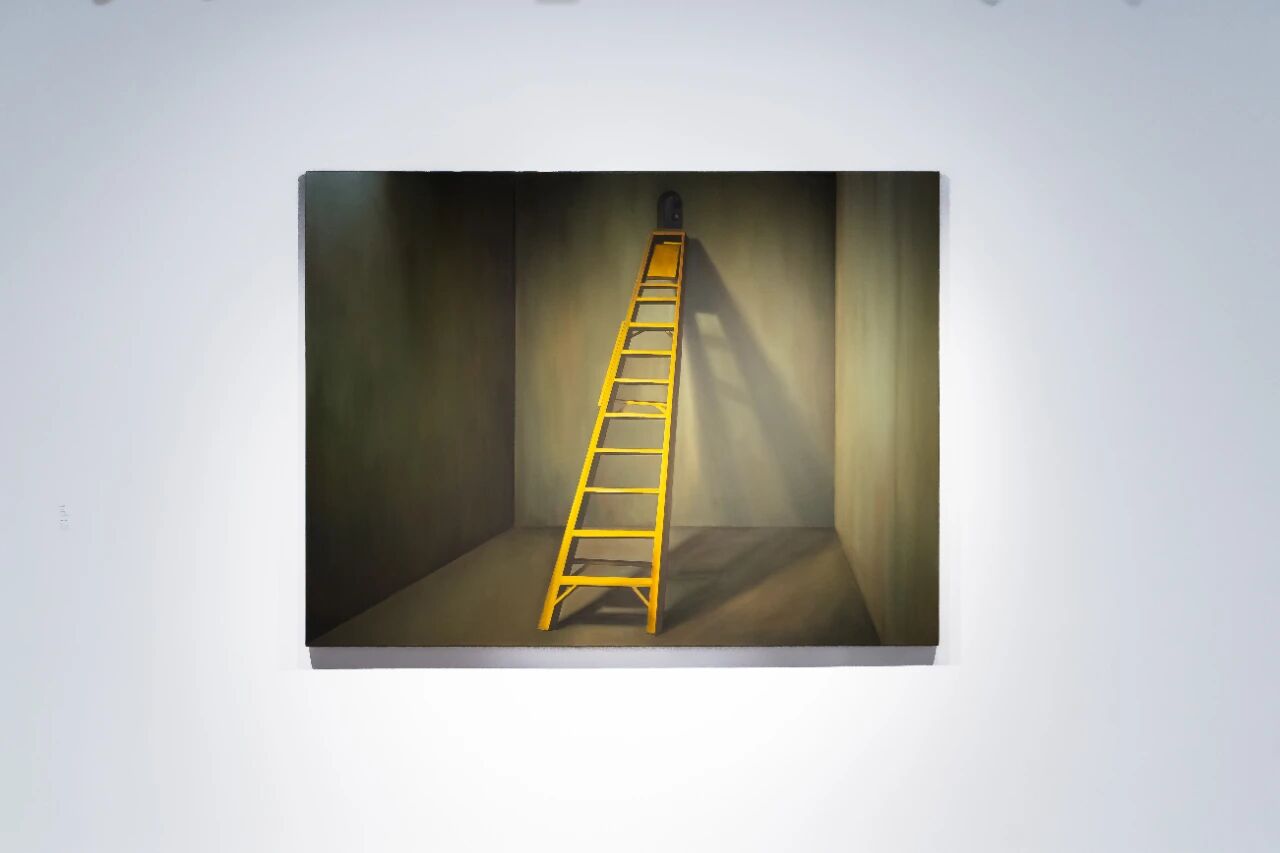
The exhibition title Where Light Dwells not only refers to the physical pathways of light on canvas, but also emphasizes light’s agency in constructing the image. In Zhang Yingnan’s compositions, space is never merely a background—it occupies the core of the pictorial narrative. Architectural elements such as walls, staircases, porches, thresholds, and openings are stripped of their original context and reassembled within a precise geometric order, evoking a sense of estrangement somewhere between dreamscape and psychological theater.
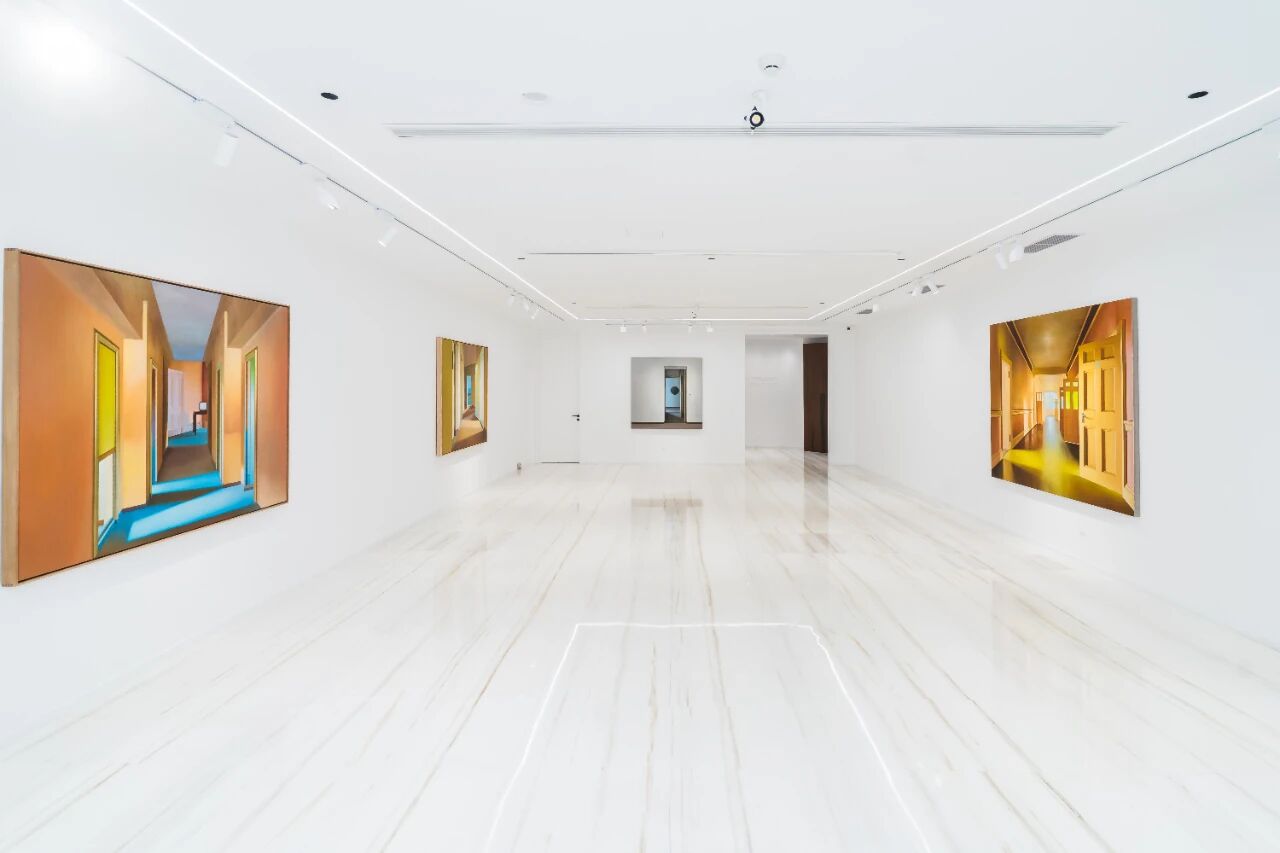
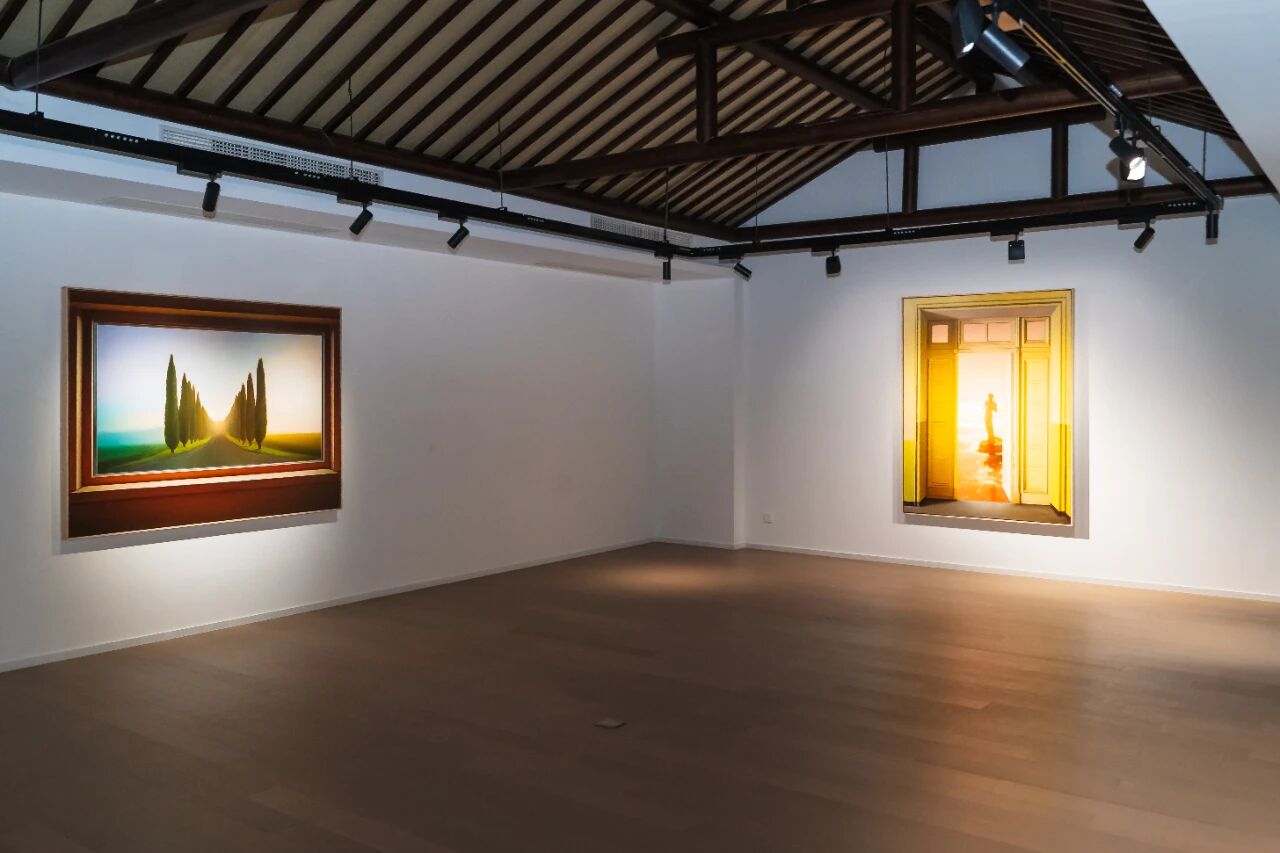
The exhibition is presented across the two primary exhibition halls of Yi Space. On the first floor, the works are arranged in an open formation, resonating with the hall’s consistent and diffuse natural lighting. The introduction of daylight not only softens the boundaries of the exhibition space but also fosters a subtle emotional and visual flow between the artworks. This spatial construction is by no means arbitrary. The artist often references his childhood memories of growing up in a military compound: perimeter walls, green uniforms, display-window-like rooms and corridors—all of which shaped his earliest perceptions of “space” and “the other.” Recurring elements in his paintings—geometric spheres, light sources, doorframes—move fluidly between fragments of lived reality and psychological symbolism, gesturing at the solidity of place while simultaneously suggesting a suspension of time.
Zhang Yingnan’s practice consistently revolves around the generative mechanisms of “seeing.” Through refined perspectival constructions and a disciplined control of color, he imbues his paintings with a sculptural density and a self-contained stillness. Spatial structures transform into psychological terrains, as if an unnamed force were drawing the viewer into the most elusive corners of memory—into an unnamed heterotopia.
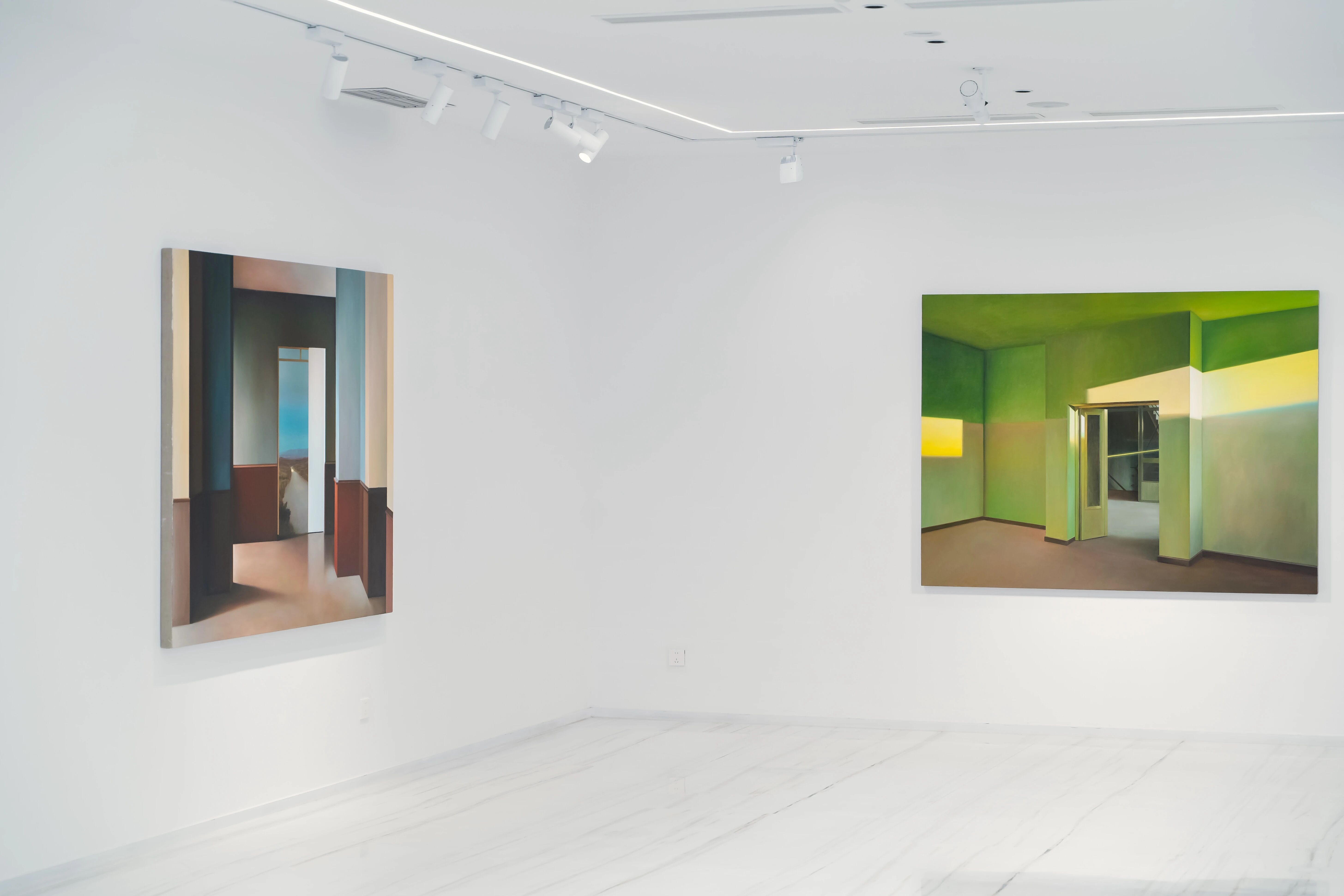
On the first floor of Yi Space, the uniform quality of natural light tempers the theatricality of artificial illumination, allowing for a more fluid and nuanced emotional transition between works. In contrast, the second-floor exhibition hall, with its dimmer ambient lighting, renders the works with a quieter intensity, amplifying the melancholic undertones and temporal sensitivity found in Zhang’s earlier paintings—where behind a restrained calm, surges a tide of inexpressible emotion.
Zhang Yingnan’s paintings are not representational in the conventional sense. Rather, they chart a surrealist path within the framework of classical structural aesthetics. His dual engagement with geometric precision and psychic sensitivity generates a tension that accumulates in silence and releases poetic energy in restraint. In Where Light Dwells, human figures are absent, yet human presence is pervasive. These seemingly empty spaces are both stages for memory and vessels for perception—pointing toward the solitary yet free spiritual landscapes that reside deep within each of us.
The exhibition title Where Light Dwells not only refers to the physical pathways of light on canvas, but also emphasizes light’s agency in constructing the image. In Zhang Yingnan’s compositions, space is never merely a background—it occupies the core of the pictorial narrative. Architectural elements such as walls, staircases, porches, thresholds, and openings are stripped of their original context and reassembled within a precise geometric order, evoking a sense of estrangement somewhere between dreamscape and psychological theater.
The exhibition is presented across the two primary exhibition halls of Yi Space. On the first floor, the works are arranged in an open formation, resonating with the hall’s consistent and diffuse natural lighting. The introduction of daylight not only softens the boundaries of the exhibition space but also fosters a subtle emotional and visual flow between the artworks. This spatial construction is by no means arbitrary. The artist often references his childhood memories of growing up in a military compound: perimeter walls, green uniforms, display-window-like rooms and corridors—all of which shaped his earliest perceptions of “space” and “the other.” Recurring elements in his paintings—geometric spheres, light sources, doorframes—move fluidly between fragments of lived reality and psychological symbolism, gesturing at the solidity of place while simultaneously suggesting a suspension of time.
Zhang Yingnan’s practice consistently revolves around the generative mechanisms of “seeing.” Through refined perspectival constructions and a disciplined control of color, he imbues his paintings with a sculptural density and a self-contained stillness. Spatial structures transform into psychological terrains, as if an unnamed force were drawing the viewer into the most elusive corners of memory—into an unnamed heterotopia.
On the first floor of Yi Space, the uniform quality of natural light tempers the theatricality of artificial illumination, allowing for a more fluid and nuanced emotional transition between works. In contrast, the second-floor exhibition hall, with its dimmer ambient lighting, renders the works with a quieter intensity, amplifying the melancholic undertones and temporal sensitivity found in Zhang’s earlier paintings—where behind a restrained calm, surges a tide of inexpressible emotion.
Zhang Yingnan’s paintings are not representational in the conventional sense. Rather, they chart a surrealist path within the framework of classical structural aesthetics. His dual engagement with geometric precision and psychic sensitivity generates a tension that accumulates in silence and releases poetic energy in restraint. In Where Light Dwells, human figures are absent, yet human presence is pervasive. These seemingly empty spaces are both stages for memory and vessels for perception—pointing toward the solitary yet free spiritual landscapes that reside deep within each of us.