







Interior States
2026.01.04-2026.03.15
Artist
罗伯特·博西西奥 Robert Bosisio
罗伯特·博西西奥 Robert Bosisio
Organizer
Yi Space
Yi Space
Curator
Regines Lou; Wenjing Shu
Regines Lou; Wenjing Shu
Supporter
Zhejiang Art Museum;Artopia
Zhejiang Art Museum;Artopia
Address
Yi Space, No. 46-1, Siyi Road, Qingbo Street, Shangcheng District, Hangzhou City
Yi Space, No. 46-1, Siyi Road, Qingbo Street, Shangcheng District, Hangzhou City

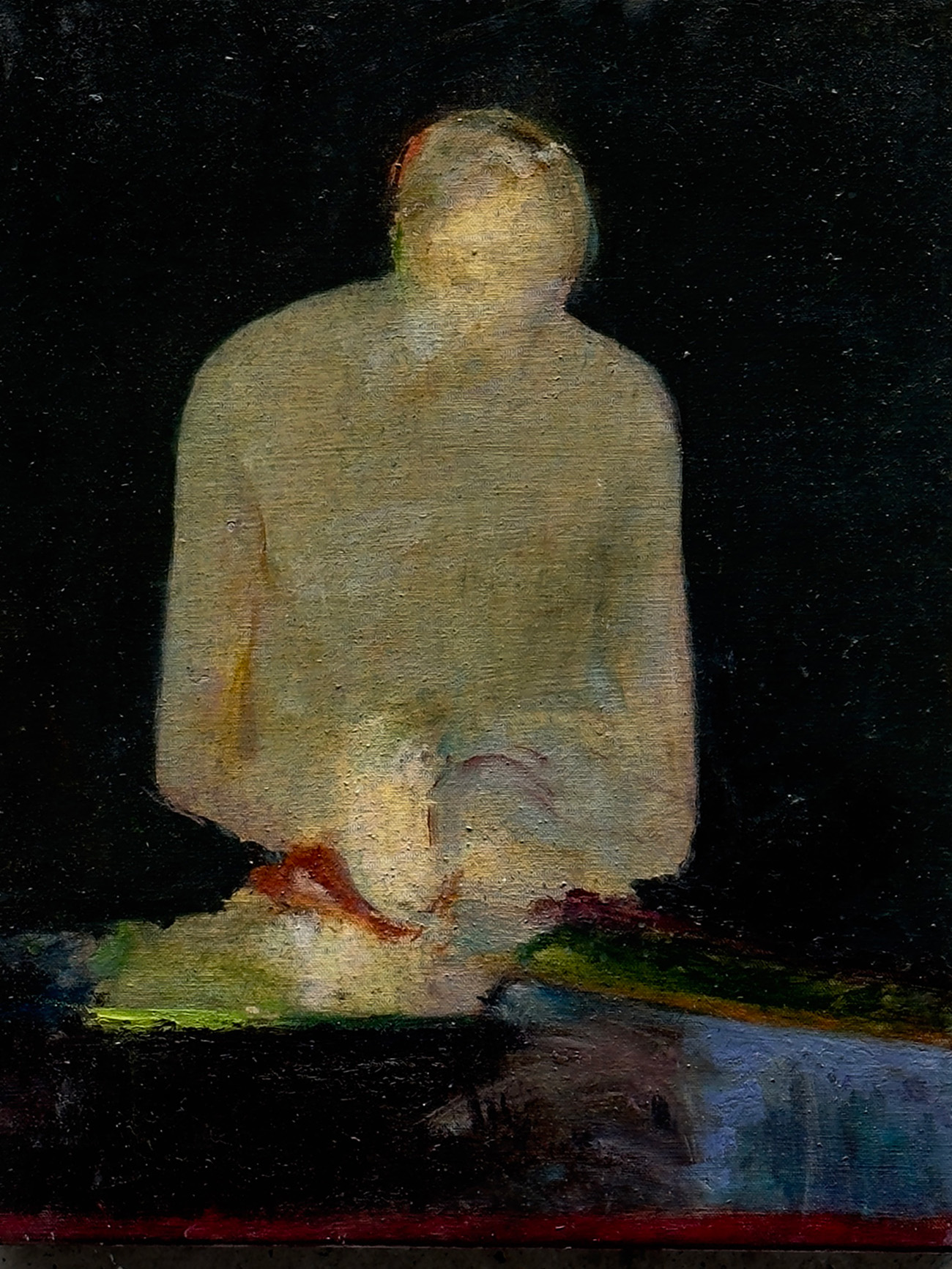
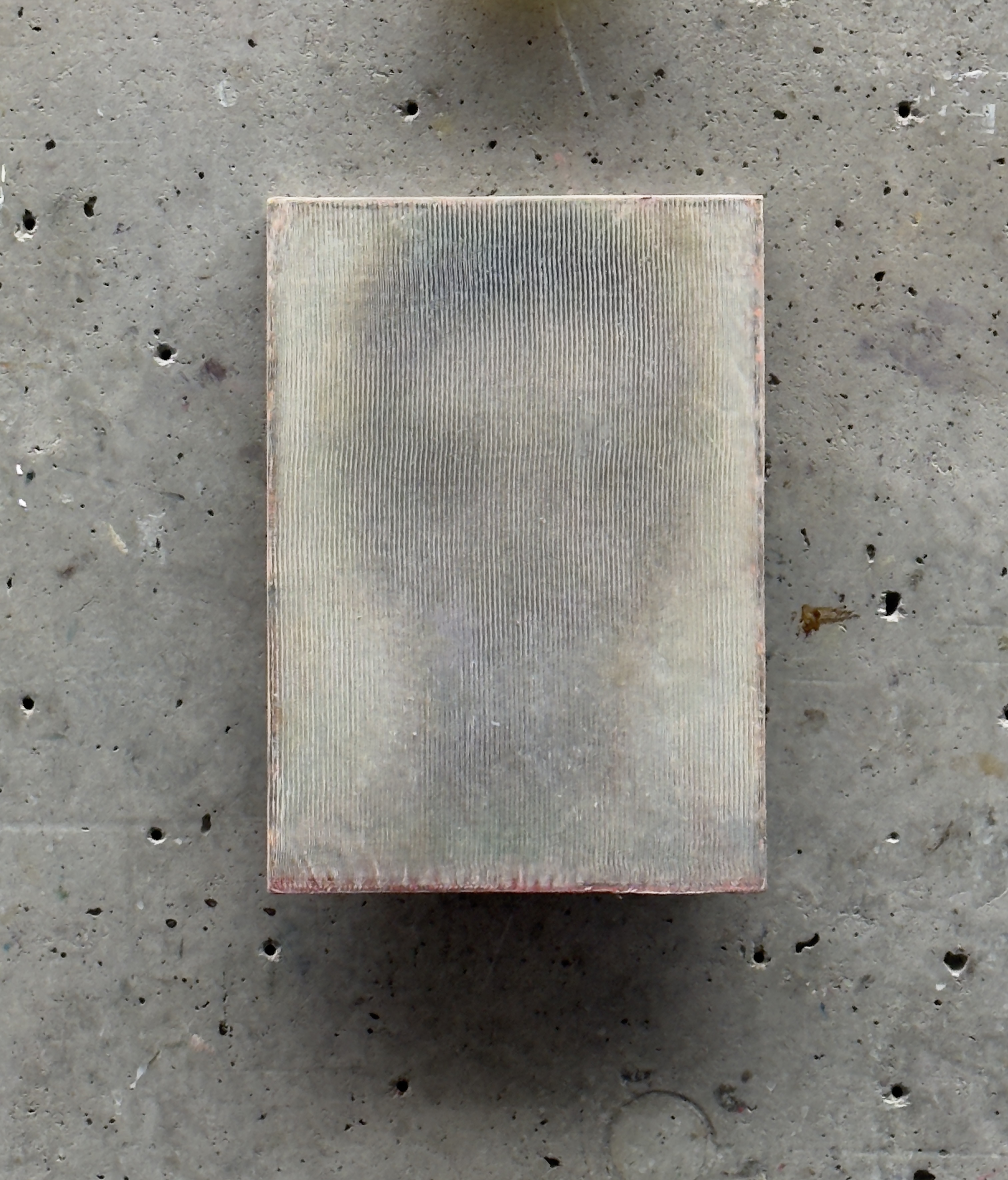
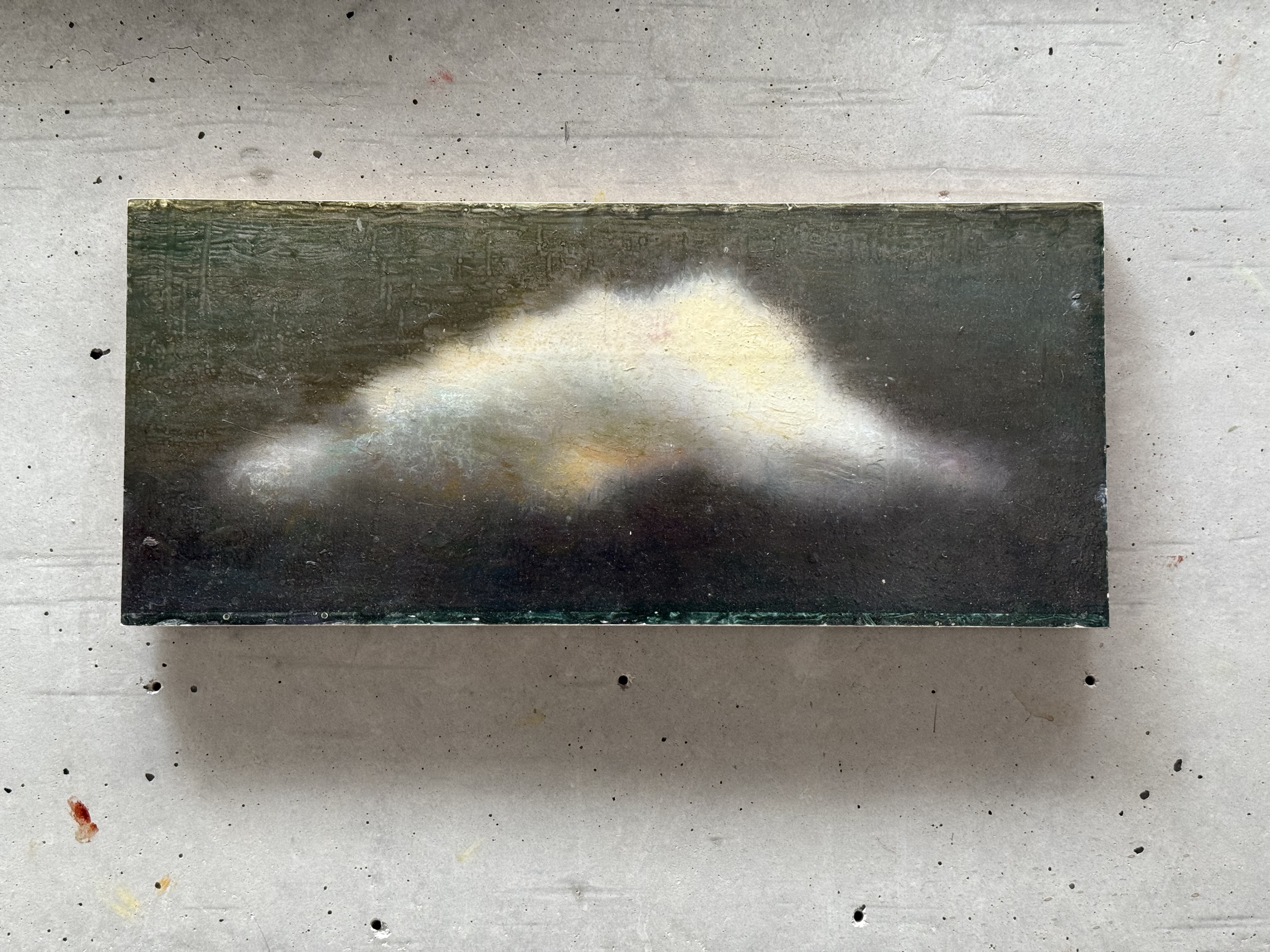
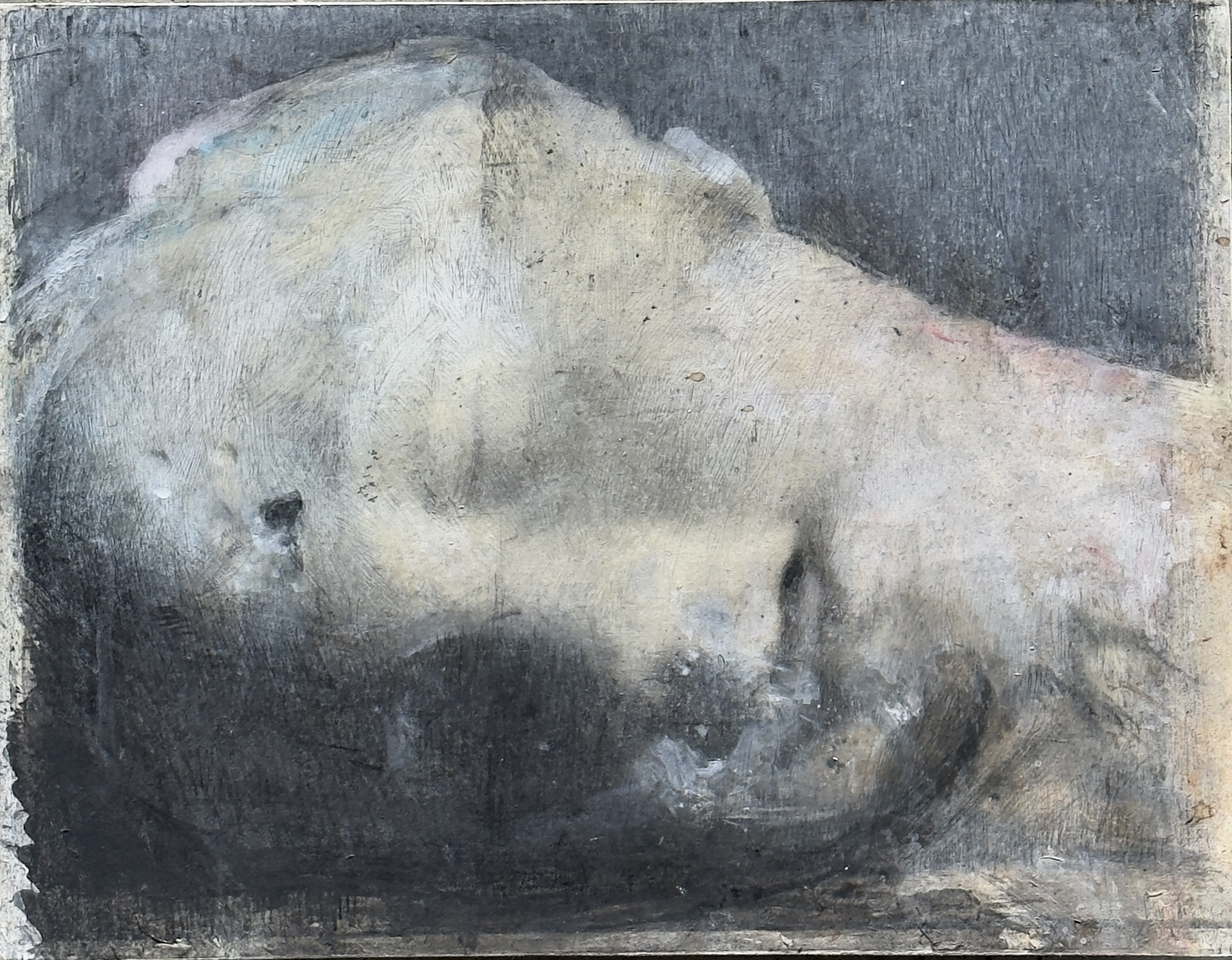
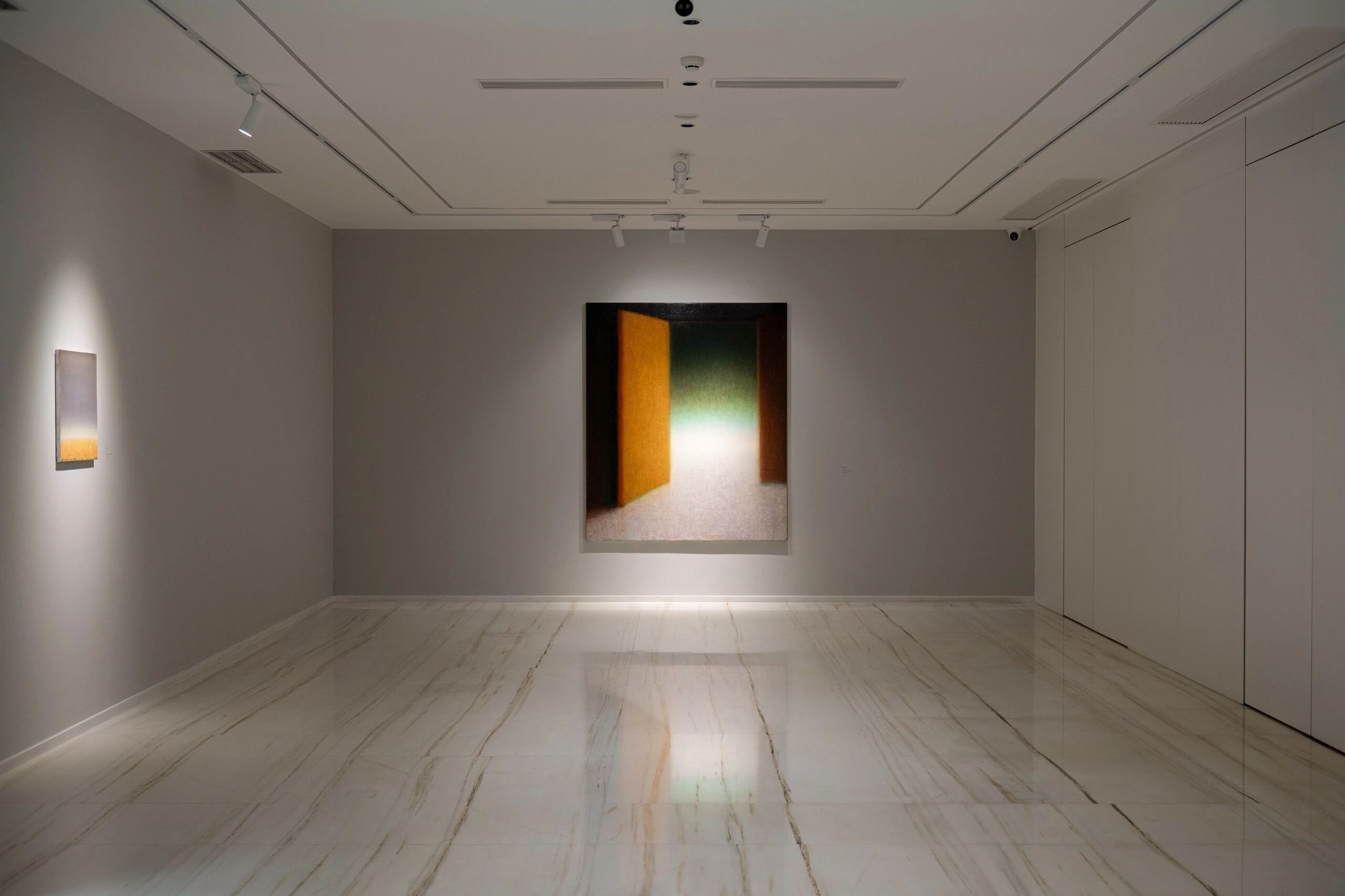
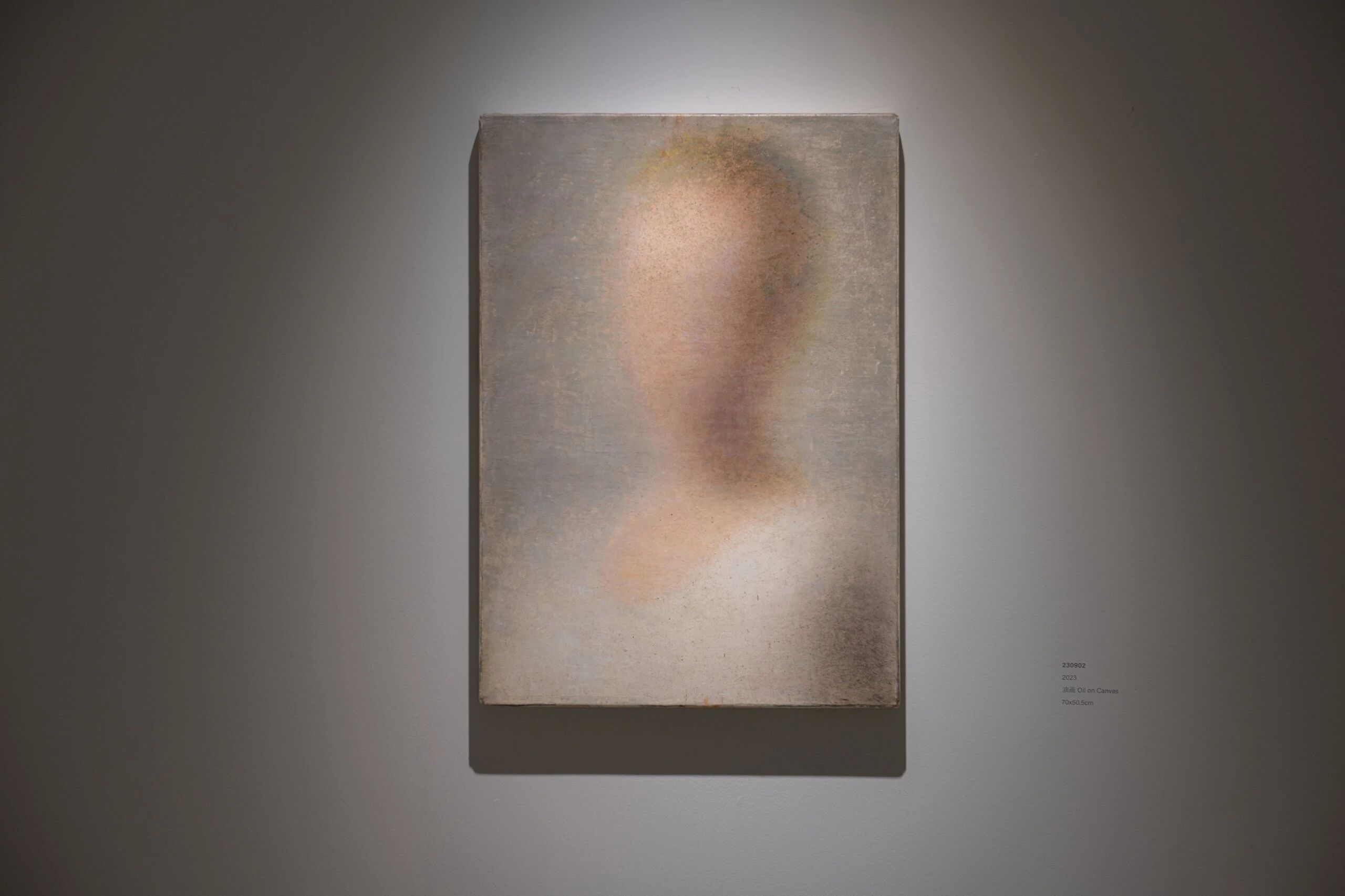
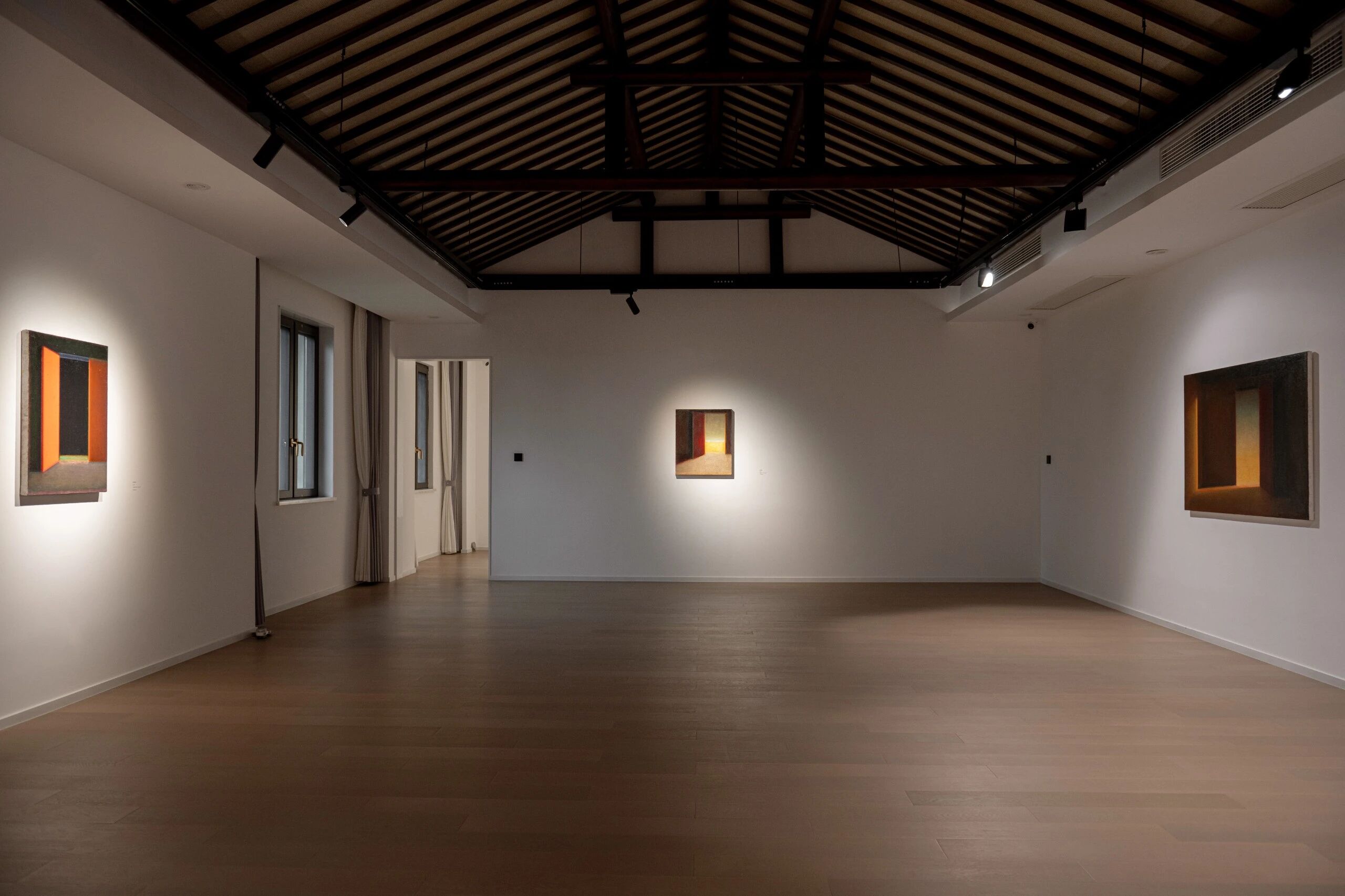
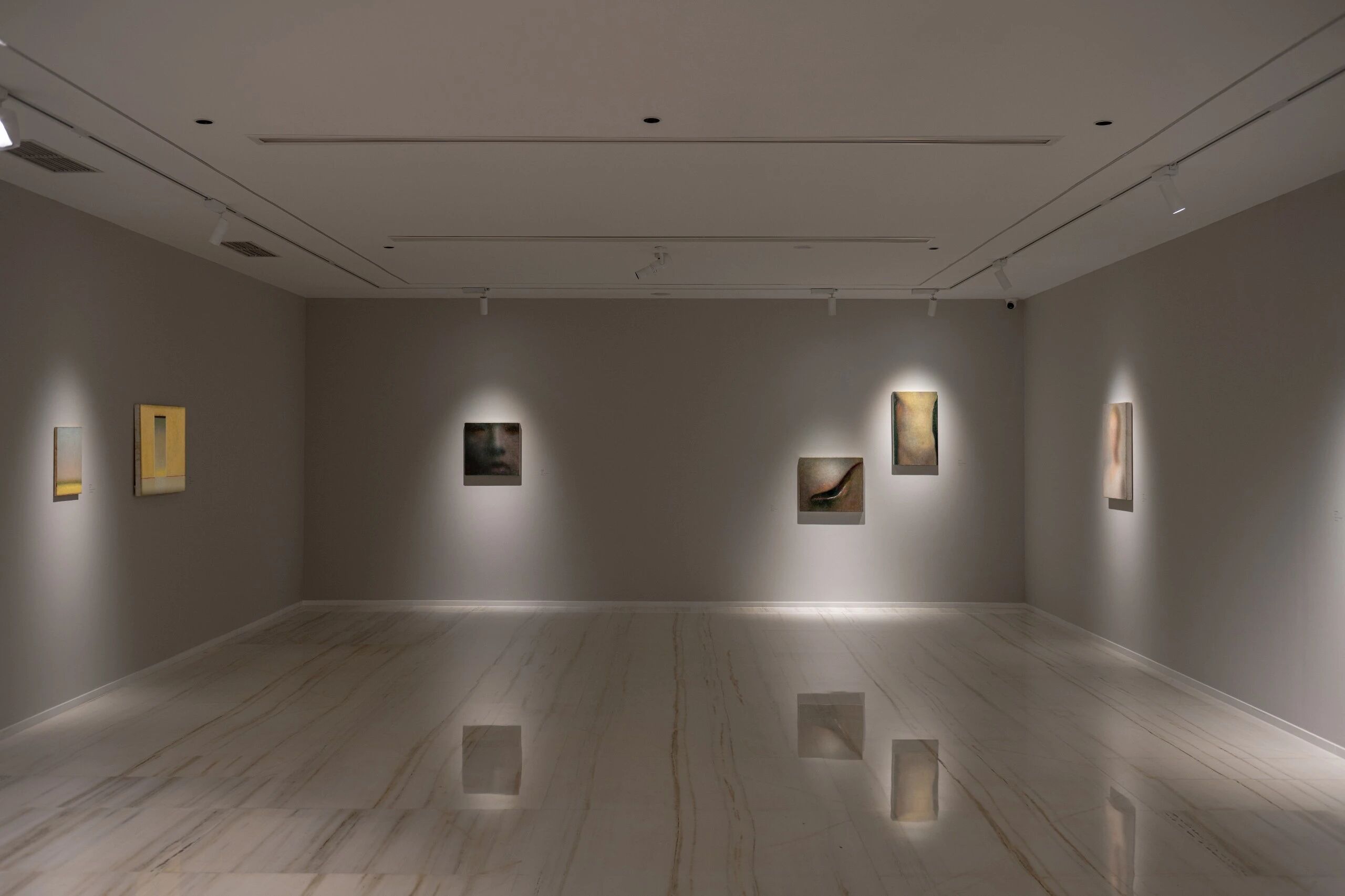
Yi SPACE is honored to present the solo exhibition “Interior State” by artist Robert Bosisio. This exhibition is hosted by Yi SPACE and co-organized by Zhejiang Art Museum and Artopia. It is presented as a parallel exhibition to "Faces and Places". The exhibition focuses on the artist's significant paintings from recent years, revolving around the series of figures, interiors, and landscapes. Using a slow and restrained painting language, the works create a visual state between clarity and obscurity, inviting the viewer to slow down and enter an inwardly unfolding space during their pause in observation.
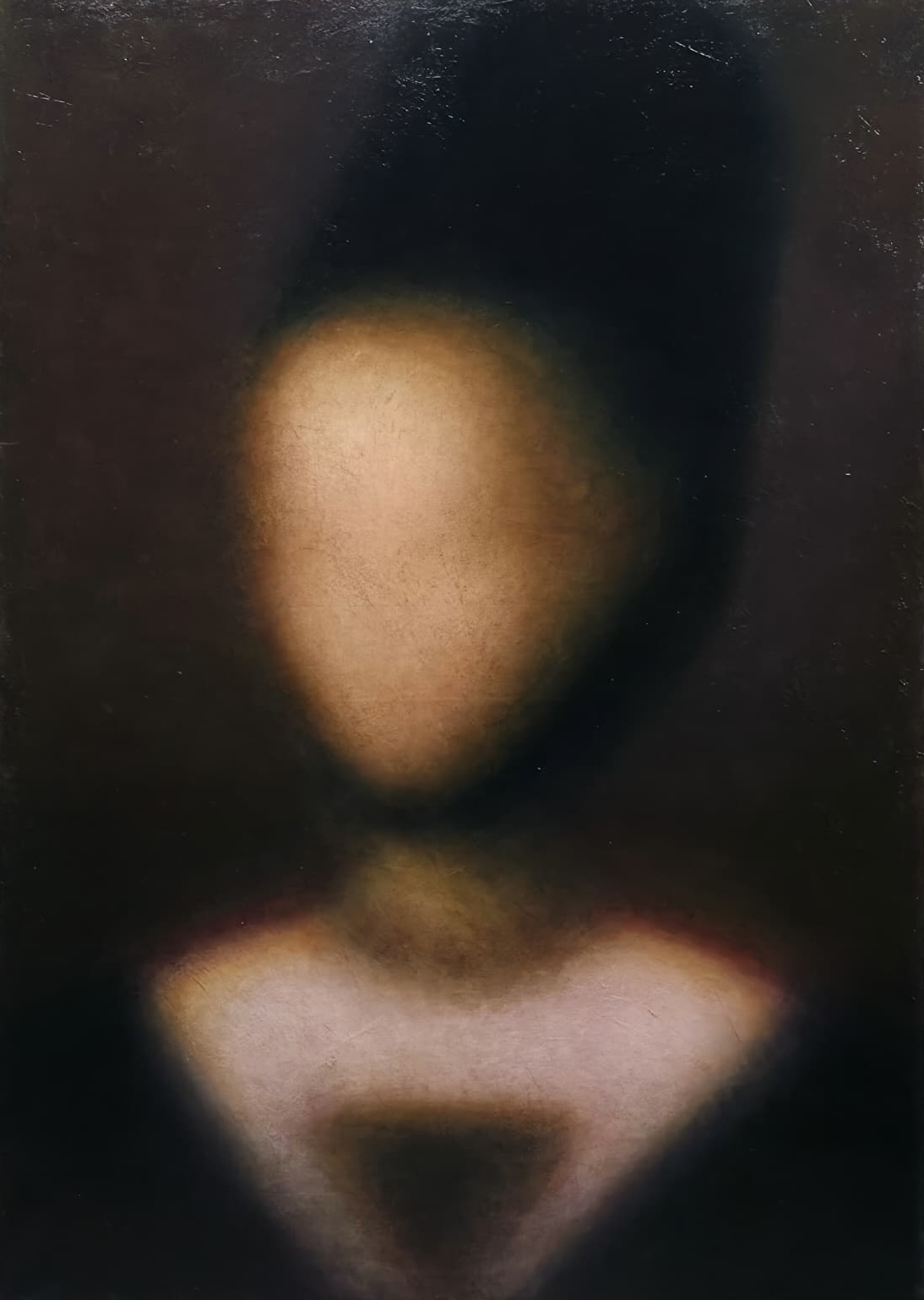
The face emerges in soft focus, and imprints settle in the shadows; gazing slows down here, the soul falls into tangible textures, and the silence of the gaze and the object draw closer to each other, revealing a kind of authenticity between focus and wandering. Existence is slow and solid - every trace is like an entrance to the inner landscape.
Robert Bosisio's paintings are a gentle yet determined reversal. His slowness not only pertains to his creative process, but also subtly draws the viewer's gaze, shifting it from judgment to pause, from recognition to deep comprehension, akin to a mindfulness practice that requires the coordination of breathing.
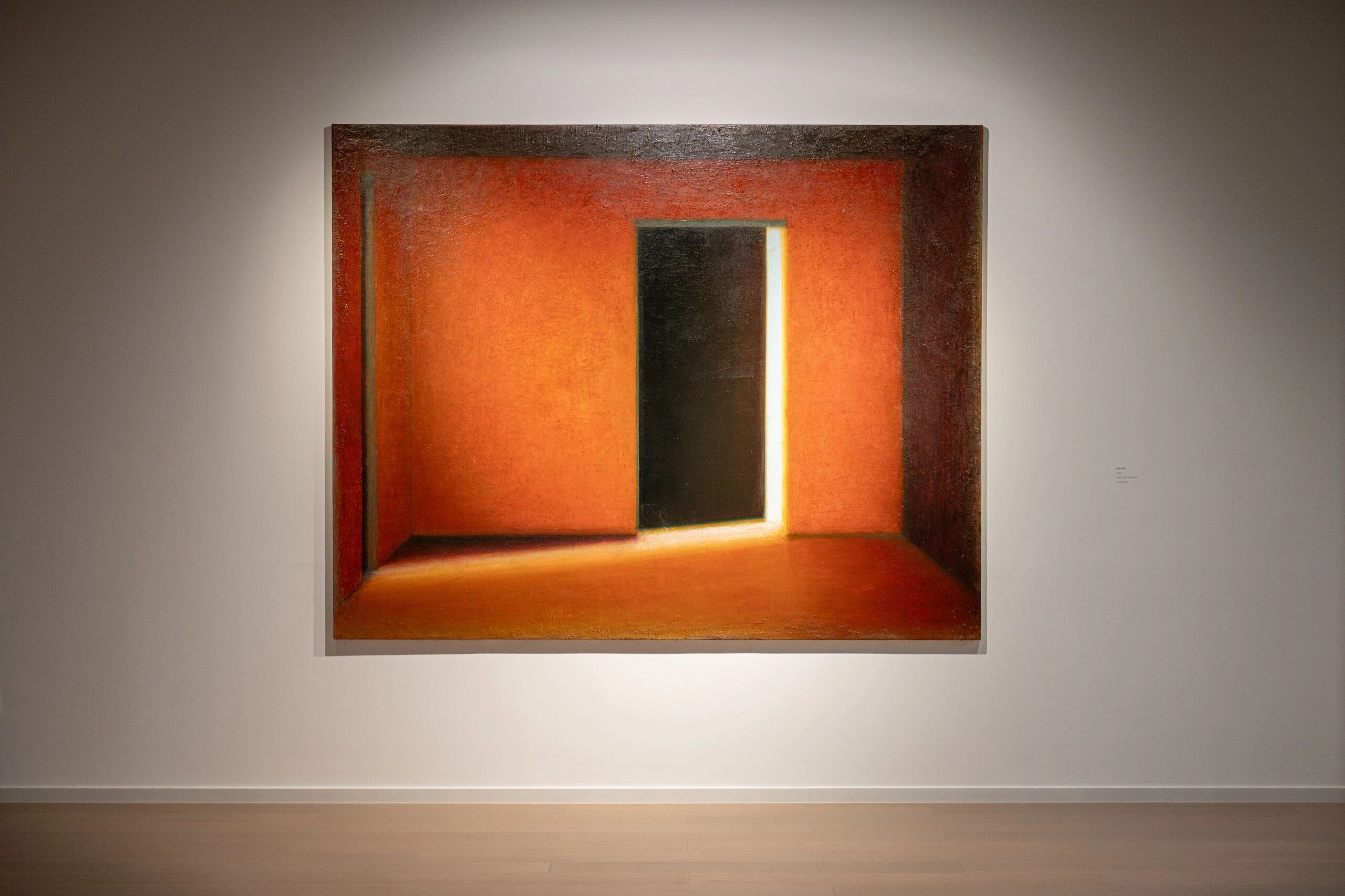
"Seeing is believing" is not a definitive judgment here, but an open-ended proposition repeatedly explored through light and shadow. Robert Bosisio guides the viewer into a deeper level of perception: between clarity and obscurity, when objects are about to form but not yet fully formed, and when they seem to dissipate but not completely, his paintings gradually shed their burden of narration and identification. Landscapes are condensed into horizontal structures, interior spaces are silently transformed into containers of memory, and figures are only vaguely present in the form of shadows or traces. Images no longer tell the world, but rather approach the remnants of the spirit - a state that is always between manifestation and concealment. Painting no longer points to external reality, but unfolds inwardly as an experience of space, a silent inquiry about perception, time, and existence. It retains suspension and unfinishedness, allowing meaning to continue to emerge at the boundaries of time and space.
“Interior State” does not refer to a specific geographical or narrative space, but rather represents an inward-looking way of viewing. The works in the exhibition are mostly themed around characters, interiors, and landscapes, yet deliberately avoid explicit narratives and identifications. Images emerge through soft focus, obscuring, and erosion, seemingly in a critical state between manifestation and disappearance. Through the controlled use of light, texture, and structure, Bosio has transformed painting from serving to reproduce reality into a field where perception, memory, and time intertwine.
The face emerges in soft focus, and imprints settle in the shadows; gazing slows down here, the soul falls into tangible textures, and the silence of the gaze and the object draw closer to each other, revealing a kind of authenticity between focus and wandering. Existence is slow and solid - every trace is like an entrance to the inner landscape.
Robert Bosisio's paintings are a gentle yet determined reversal. His slowness not only pertains to his creative process, but also subtly draws the viewer's gaze, shifting it from judgment to pause, from recognition to deep comprehension, akin to a mindfulness practice that requires the coordination of breathing.
"Seeing is believing" is not a definitive judgment here, but an open-ended proposition repeatedly explored through light and shadow. Robert Bosisio guides the viewer into a deeper level of perception: between clarity and obscurity, when objects are about to form but not yet fully formed, and when they seem to dissipate but not completely, his paintings gradually shed their burden of narration and identification. Landscapes are condensed into horizontal structures, interior spaces are silently transformed into containers of memory, and figures are only vaguely present in the form of shadows or traces. Images no longer tell the world, but rather approach the remnants of the spirit - a state that is always between manifestation and concealment. Painting no longer points to external reality, but unfolds inwardly as an experience of space, a silent inquiry about perception, time, and existence. It retains suspension and unfinishedness, allowing meaning to continue to emerge at the boundaries of time and space.
“Interior State” does not refer to a specific geographical or narrative space, but rather represents an inward-looking way of viewing. The works in the exhibition are mostly themed around characters, interiors, and landscapes, yet deliberately avoid explicit narratives and identifications. Images emerge through soft focus, obscuring, and erosion, seemingly in a critical state between manifestation and disappearance. Through the controlled use of light, texture, and structure, Bosio has transformed painting from serving to reproduce reality into a field where perception, memory, and time intertwine.