





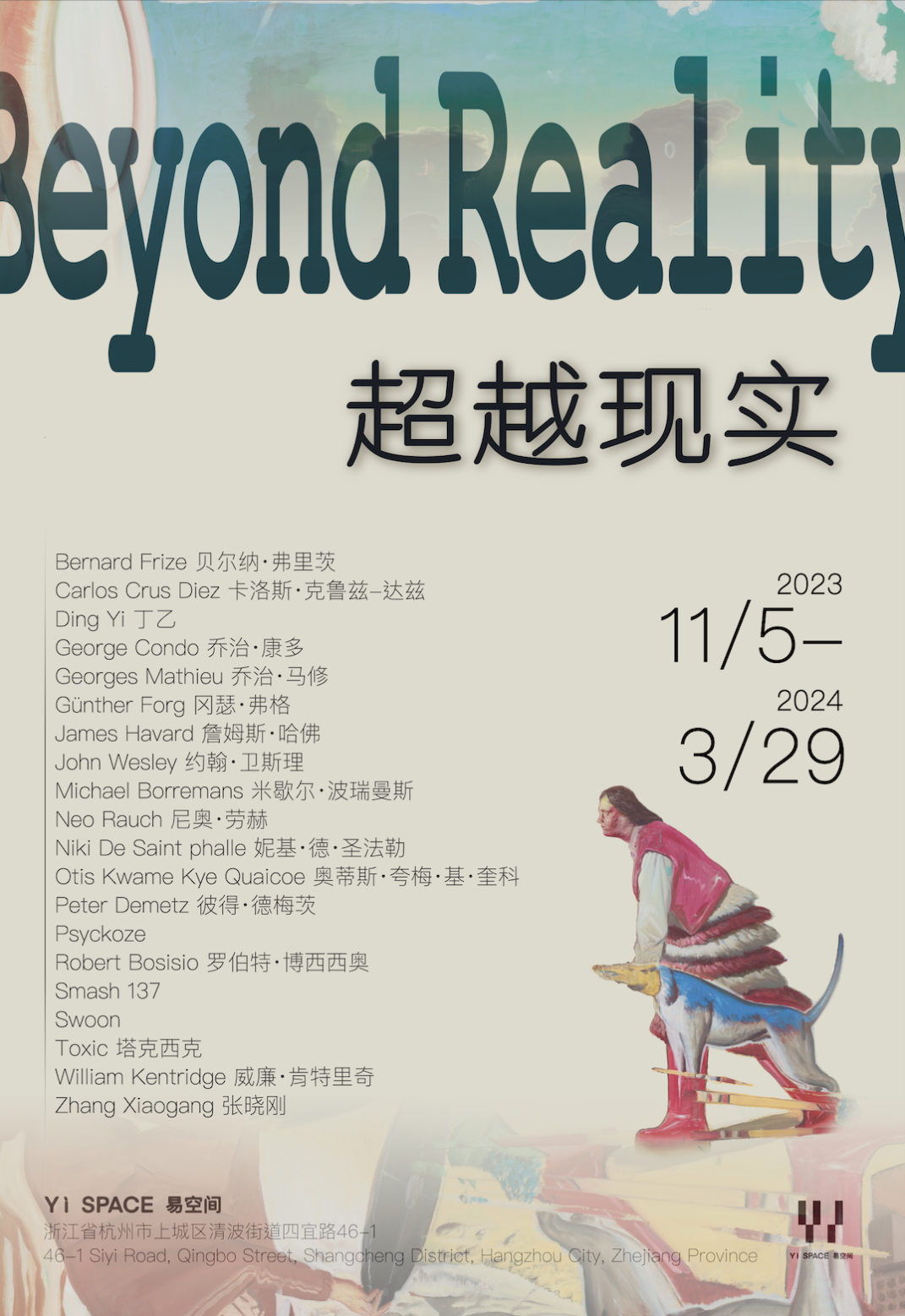
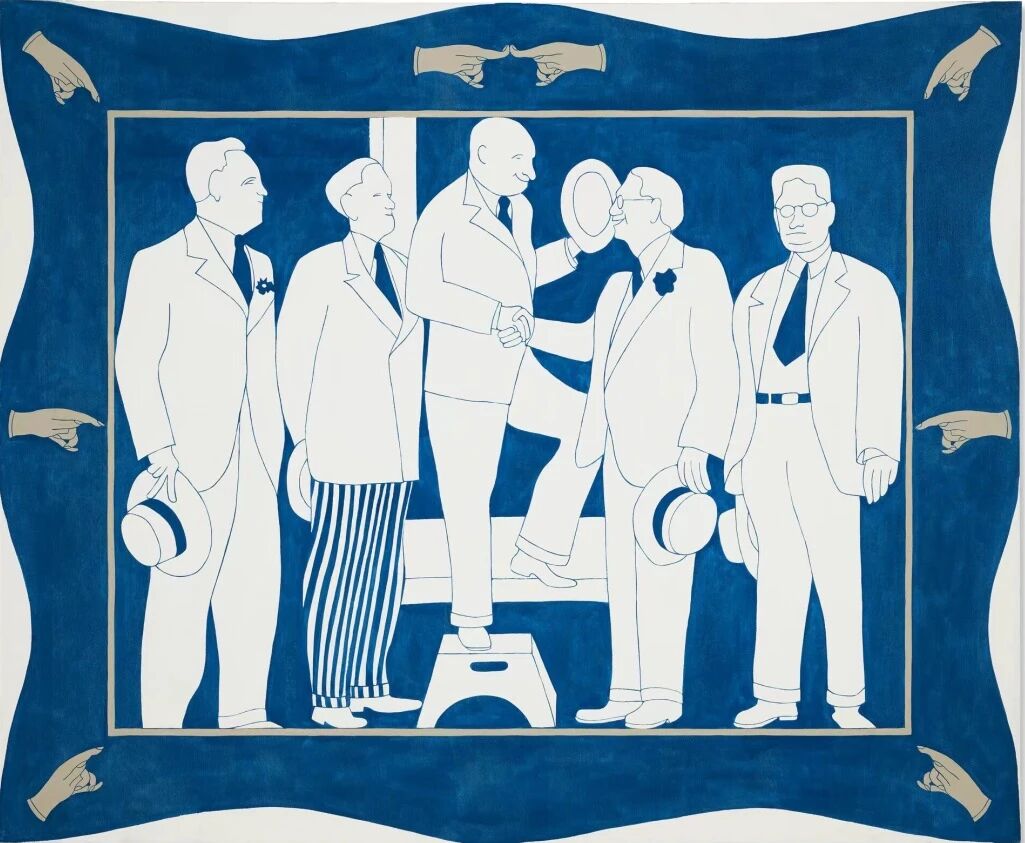
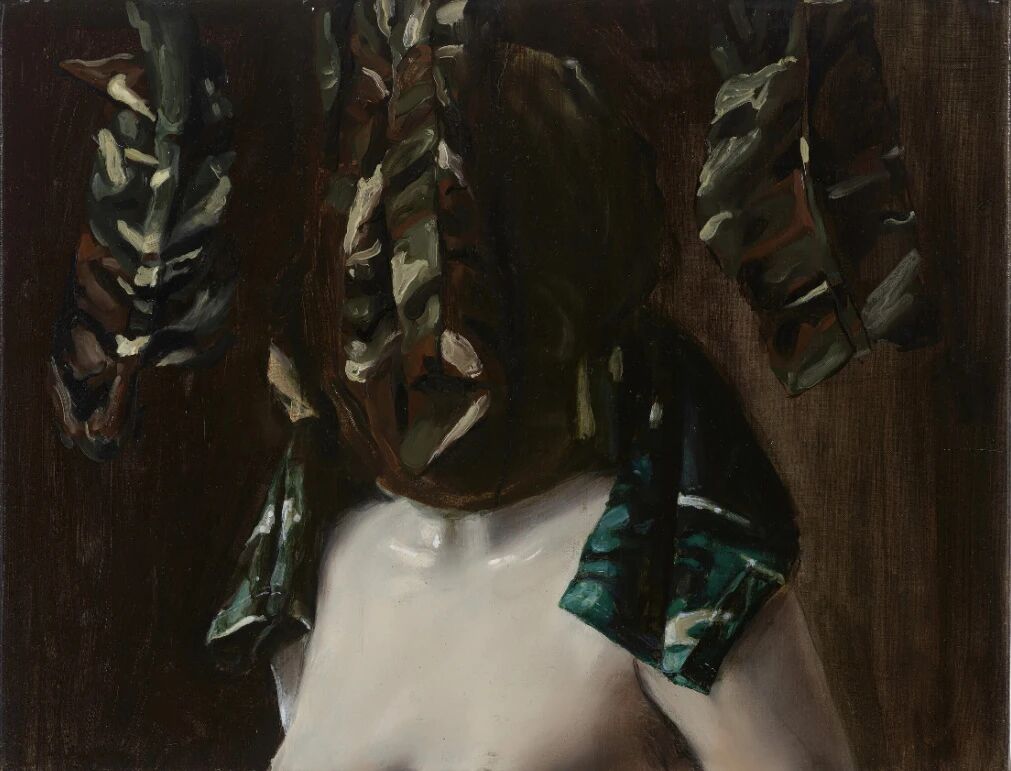
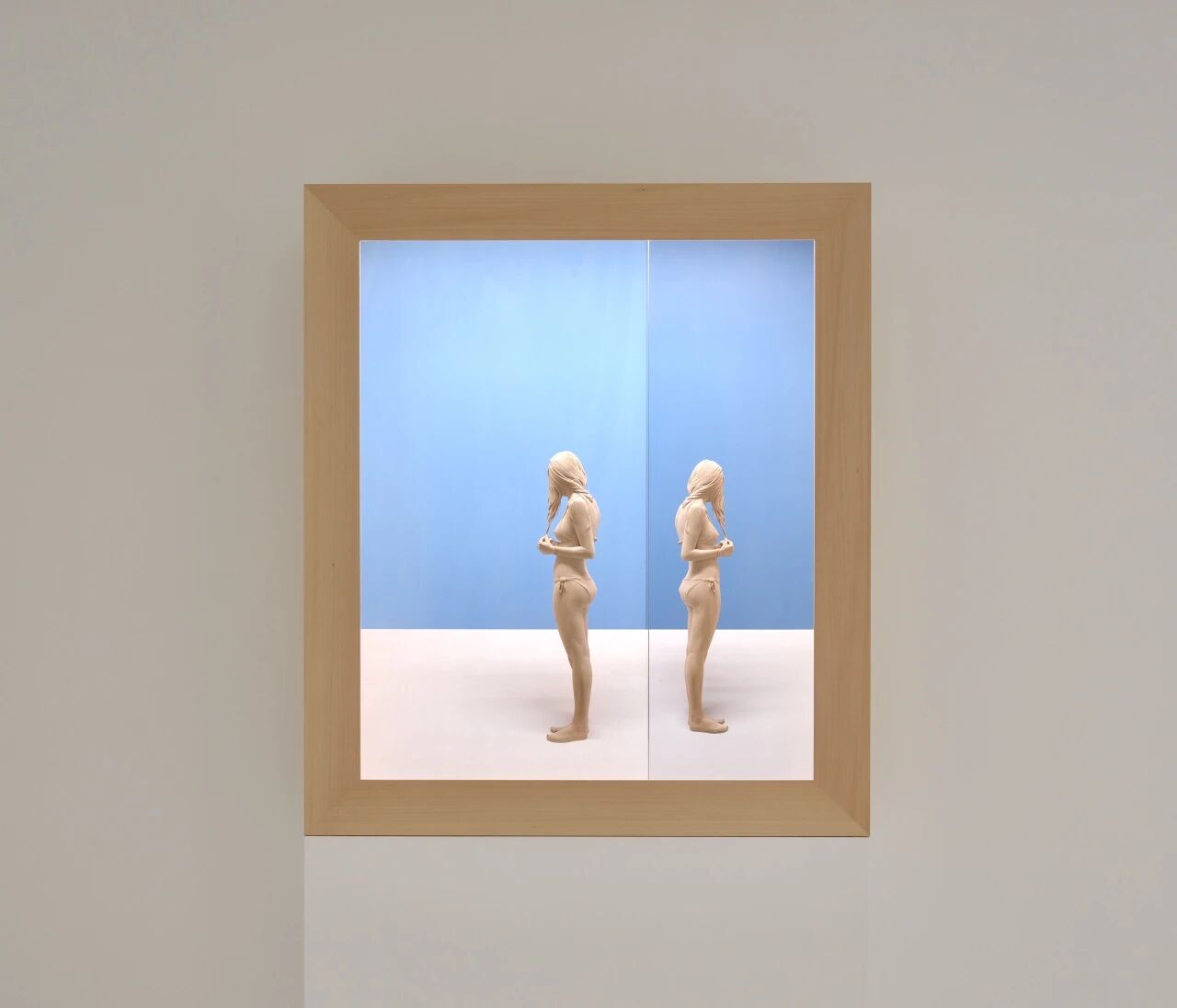
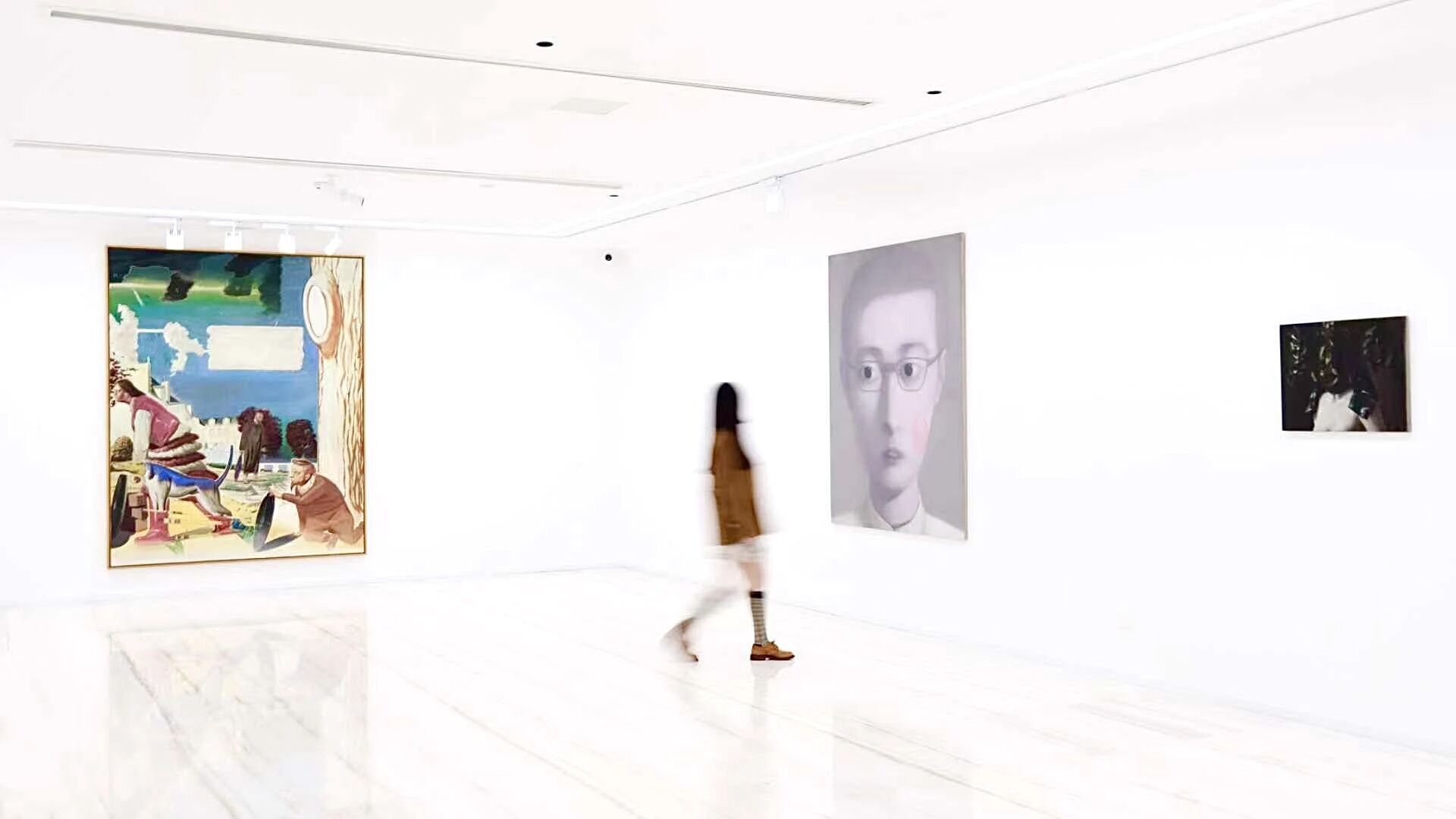

Beyond Reality
2023.11.05-2024.03.29
Artist
Bernard Frize 贝尔纳·弗里茨
Carlos Crus Diez 卡洛斯·克鲁兹-达兹
Ding Yi 丁乙
George Condo 乔治·康多
Georges Mathieu 乔治·马修
Gunther Forg 冈瑟·弗格
James Havard 詹姆斯·哈佛
John Wesley 约翰·卫斯理
Michael Borremans 米歇尔·波瑞曼斯
Neo Rauch 尼奥·劳赫
Niki De Saint phalle 妮基·德·圣法勒
Otis Kwame Kye Quaicoe奥蒂斯·夸梅·基·奎科
Peter Demetz 彼得·德梅茨
Psyckoze
Robert Bosisio 罗伯特·博西西奥
Smash 137
Swoon
Toxic 塔克西克
William Kentridge 威廉·肯特里奇
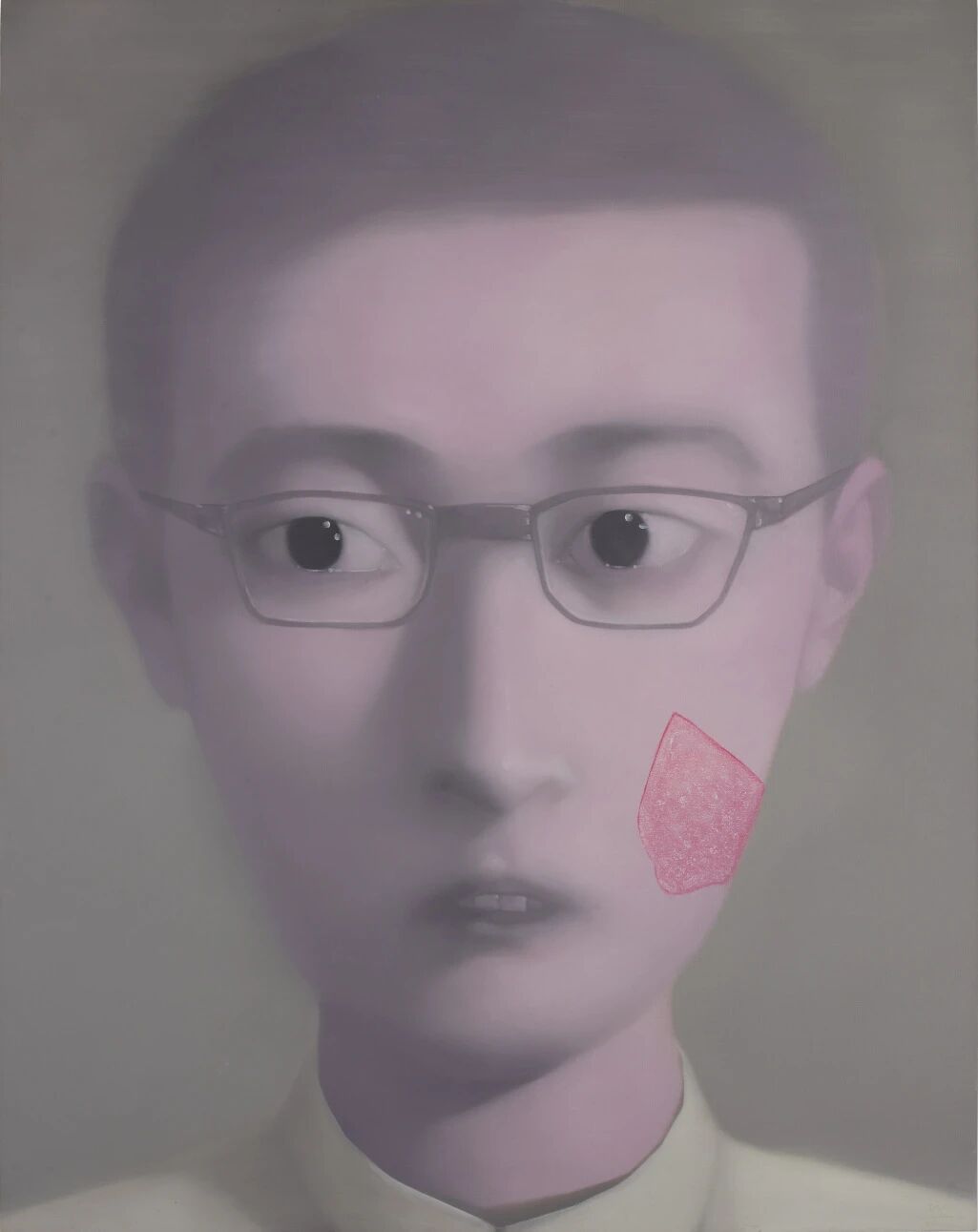
Zhang Xiaogang 张晓刚
Bernard Frize 贝尔纳·弗里茨
Carlos Crus Diez 卡洛斯·克鲁兹-达兹
Ding Yi 丁乙
George Condo 乔治·康多
Georges Mathieu 乔治·马修
Gunther Forg 冈瑟·弗格
James Havard 詹姆斯·哈佛
John Wesley 约翰·卫斯理
Michael Borremans 米歇尔·波瑞曼斯
Neo Rauch 尼奥·劳赫
Niki De Saint phalle 妮基·德·圣法勒
Otis Kwame Kye Quaicoe奥蒂斯·夸梅·基·奎科
Peter Demetz 彼得·德梅茨
Psyckoze
Robert Bosisio 罗伯特·博西西奥
Smash 137
Swoon
Toxic 塔克西克
William Kentridge 威廉·肯特里奇
Zhang Xiaogang 张晓刚
Organizer
Yi Space
Yi Space
Curator
Regines Lou
Regines Lou
Address
Yi Space, No. 46-1, Siyi Road, Qingbo Street, Shangcheng District, Hangzhou City
Yi Space, No. 46-1, Siyi Road, Qingbo Street, Shangcheng District, Hangzhou City
"Everything tries to convince us that there really is a point in our thinking from which we will discover life and death, reality and imagination, past and future... Are no longer seen as contradictory."- André Breton, The Second Surrealist Manifesto, 1929
The First World War disrupted the once orderly lives of people, leaving behind shattered ruins and post-war confusion. The turbulence of life gave rise to doubts about the authenticity of the real world and a denial of the rational world. Some artists began to explore the truth revealed in human subconscious and unconsciousness. This aesthetic concept, unfettered by rational and moral concepts, greatly encouraged the growth of artistic creativity and the release of free imagery. Surrealism led artists to pay unprecedented attention and scrutiny to the human psyche.
"Surreal" seems like a "basket" that can accommodate all the bizarre, mysterious, and seemingly unrelated things, and describe them as "beyond reality". This word was invented by French poet Guillaume Apollinaire in 1917, and was explicitly used in the program notes of the new ballet "Parade" co-created with Picasso and others, referring to the ballet as "une sorte de surréalisme" (a kind of surrealism). It tells a story from different perspectives: including different moments in the flow of time, with the ensuing chaos, harsh sounds, and rapid movements intended to reflect modern urban life. The interpretation of "beyond reality" seems to be "beyond the acceptable range" in the eyes of most audiences.
There is a contradiction between reality and unreality behind the problem of "whether sight is reality". The concept of "gaze" is derived from the "human eye", which is a common code word in the works of contemporary artists. The development of abstract art has been driven by "automatic painting", which is based on restraining the rational from exerting the subconscious or unconscious. A large number of occult symbols are looming, and there is a latent confrontation between reason and irrationality. Whether as a way to explore identity or as a means to comment on social change, the surreal never goes away.
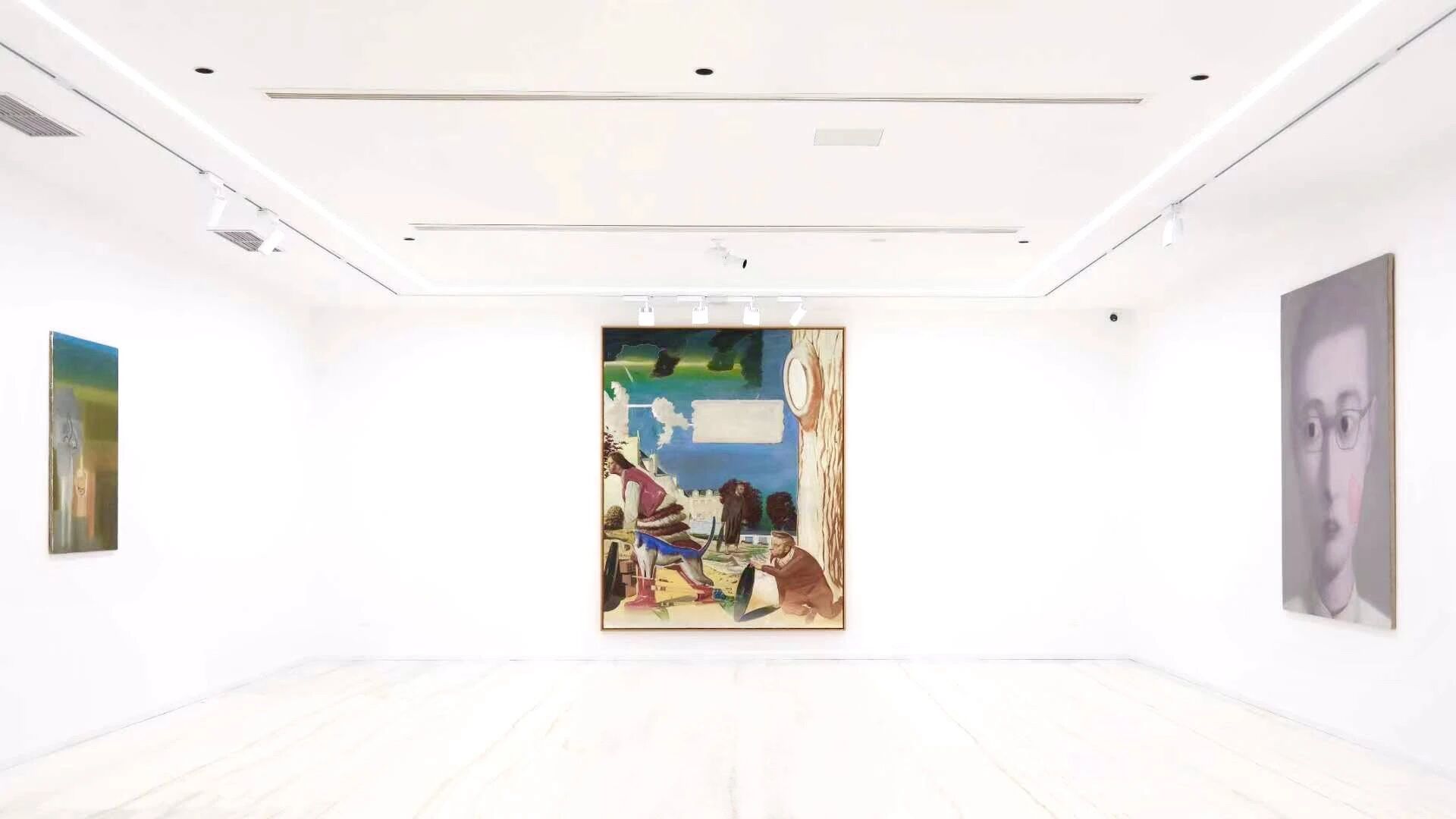
Neo Rauch, an artist from Leipzig, Germany, deconstructs unified space-time in his works, forming a unique topological structure of artistic history, providing a dramatic backdrop with a series of meanings and starting points for critical discourse referencing social reality.
A multitude of mystical symbols frequently appear in surrealist art as expressive techniques, with the "human eye" being a recurring imagery. The conundrum of "whether what is seen is real" hints at the contradiction between reality and unreality. The concept of "gaze" is derived from the "human eye", representing a confrontation between rationality and irrationality in the explorations of numerous artists and theorists. This particular thread of imagery and symbols stands out among the myriad of mystical symbols, not only being widely used in surrealist art but also frequently appearing as a code in the works of contemporary artists.
The First World War disrupted the once orderly lives of people, leaving behind shattered ruins and post-war confusion. The turbulence of life gave rise to doubts about the authenticity of the real world and a denial of the rational world. Some artists began to explore the truth revealed in human subconscious and unconsciousness. This aesthetic concept, unfettered by rational and moral concepts, greatly encouraged the growth of artistic creativity and the release of free imagery. Surrealism led artists to pay unprecedented attention and scrutiny to the human psyche.
"Surreal" seems like a "basket" that can accommodate all the bizarre, mysterious, and seemingly unrelated things, and describe them as "beyond reality". This word was invented by French poet Guillaume Apollinaire in 1917, and was explicitly used in the program notes of the new ballet "Parade" co-created with Picasso and others, referring to the ballet as "une sorte de surréalisme" (a kind of surrealism). It tells a story from different perspectives: including different moments in the flow of time, with the ensuing chaos, harsh sounds, and rapid movements intended to reflect modern urban life. The interpretation of "beyond reality" seems to be "beyond the acceptable range" in the eyes of most audiences.
There is a contradiction between reality and unreality behind the problem of "whether sight is reality". The concept of "gaze" is derived from the "human eye", which is a common code word in the works of contemporary artists. The development of abstract art has been driven by "automatic painting", which is based on restraining the rational from exerting the subconscious or unconscious. A large number of occult symbols are looming, and there is a latent confrontation between reason and irrationality. Whether as a way to explore identity or as a means to comment on social change, the surreal never goes away.
Neo Rauch, an artist from Leipzig, Germany, deconstructs unified space-time in his works, forming a unique topological structure of artistic history, providing a dramatic backdrop with a series of meanings and starting points for critical discourse referencing social reality.
A multitude of mystical symbols frequently appear in surrealist art as expressive techniques, with the "human eye" being a recurring imagery. The conundrum of "whether what is seen is real" hints at the contradiction between reality and unreality. The concept of "gaze" is derived from the "human eye", representing a confrontation between rationality and irrationality in the explorations of numerous artists and theorists. This particular thread of imagery and symbols stands out among the myriad of mystical symbols, not only being widely used in surrealist art but also frequently appearing as a code in the works of contemporary artists.