








Visage
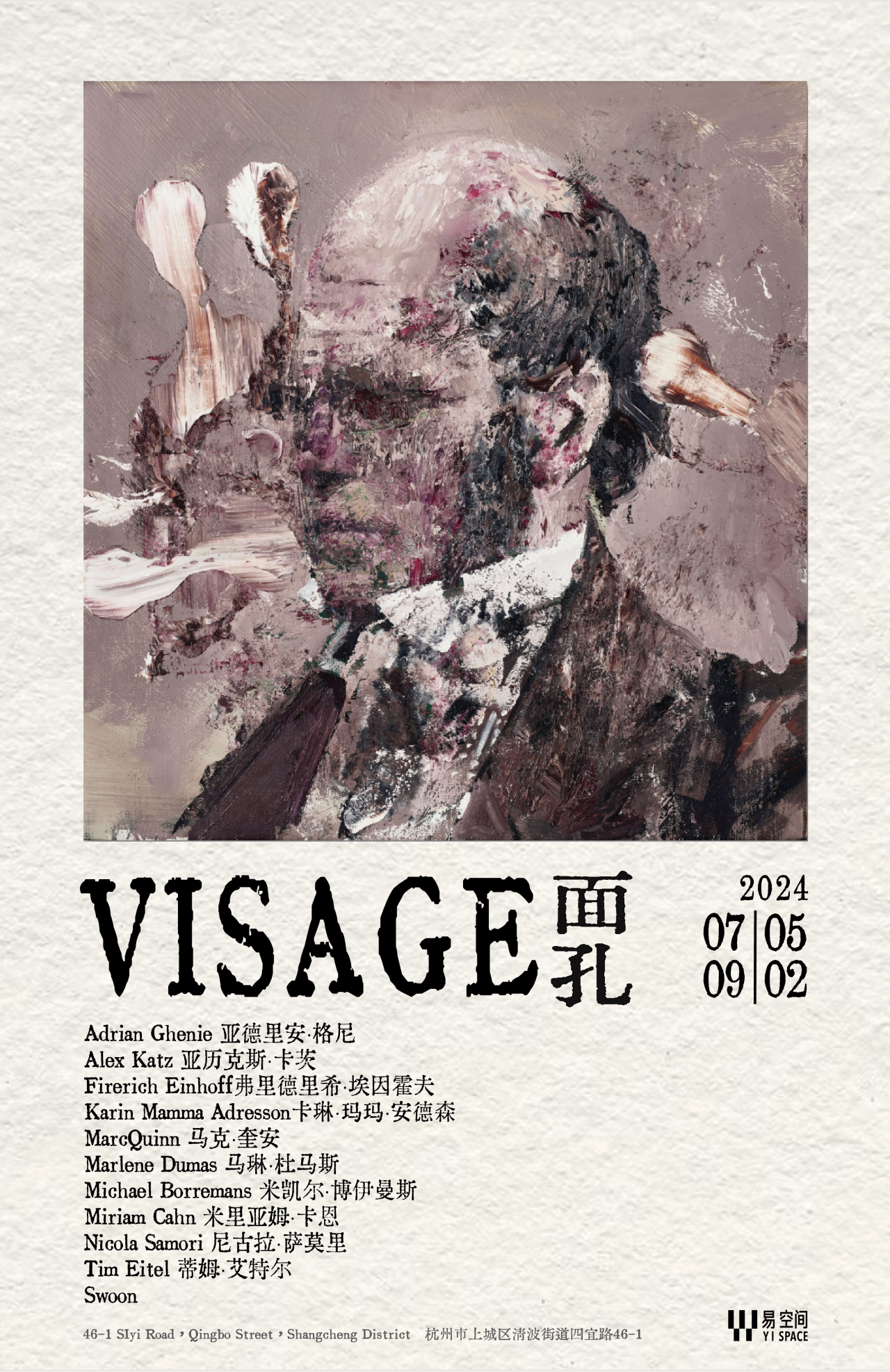
2024.07.05-2024.09.02
Artist
Adrian Ghenie 亚德里安·格尼
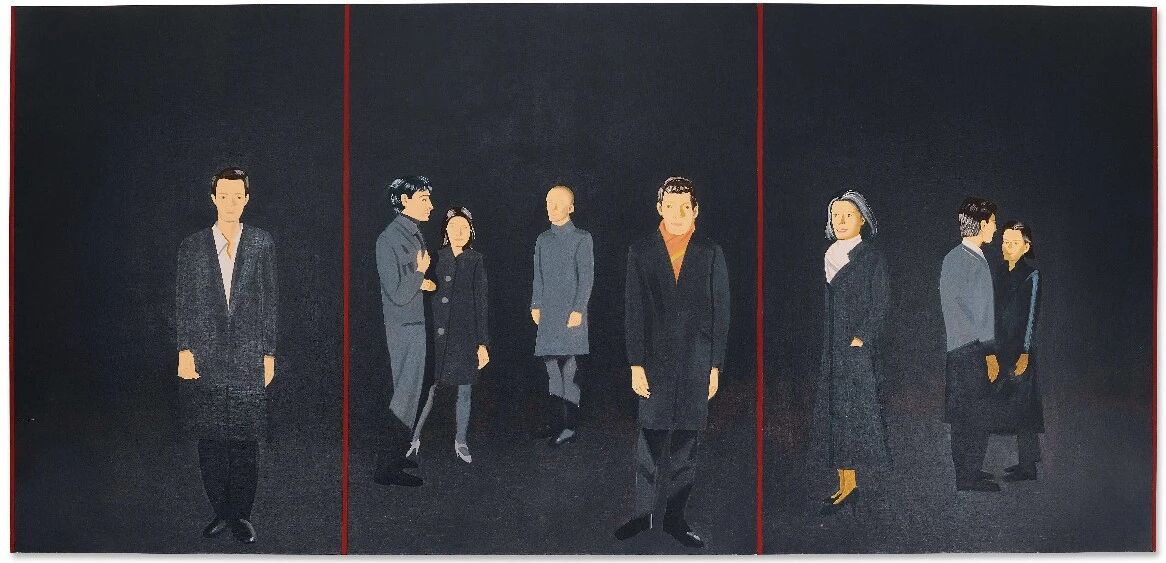
Alex Katz 亚历克斯·卡茨
Frierich Einhoff 弗里德里希·埃因霍夫
Karin Mamma Adresson
卡琳·玛玛·安德森
Marc Quinn 马克·奎安
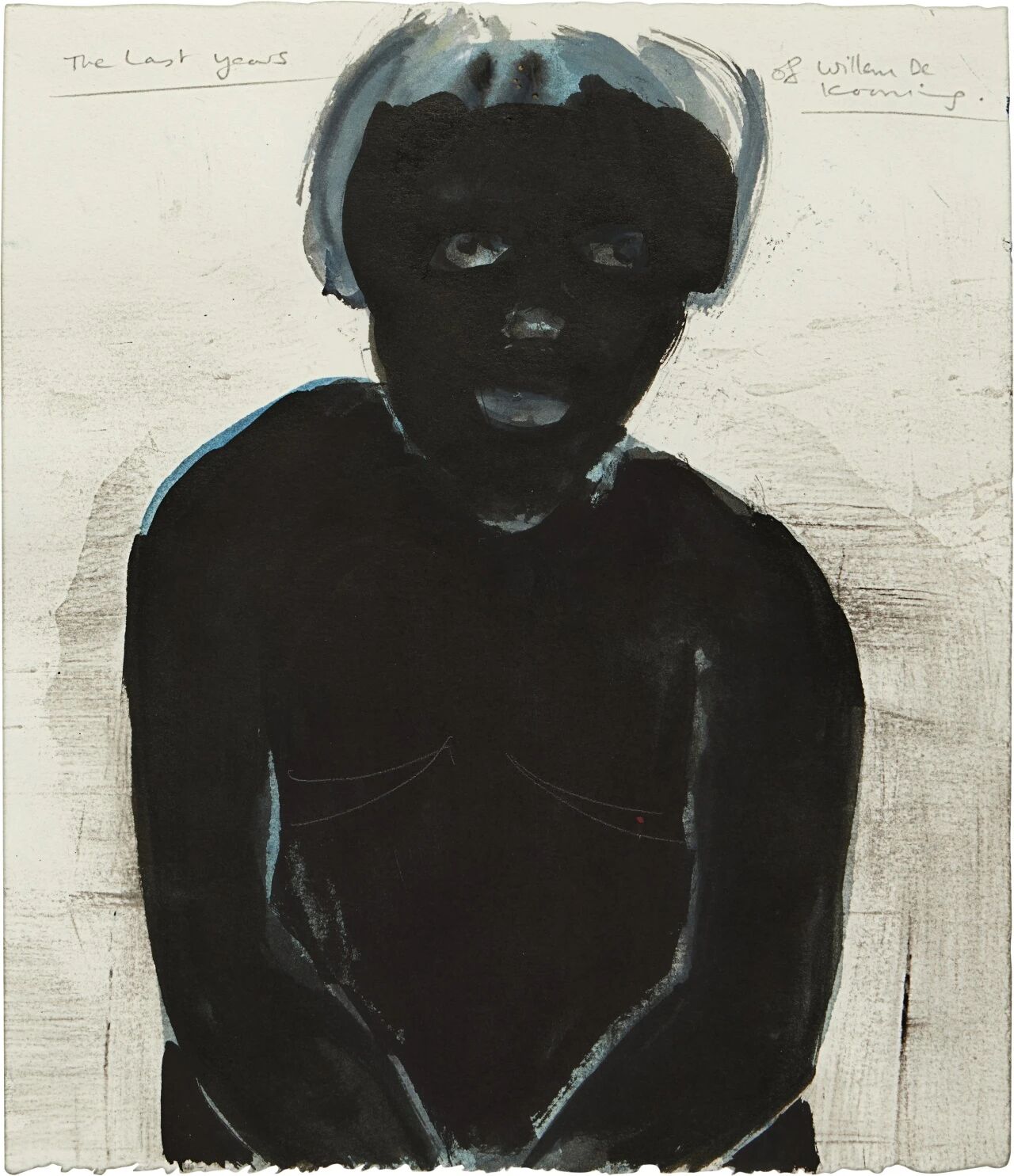
Marlene Dumas 马琳·杜马斯
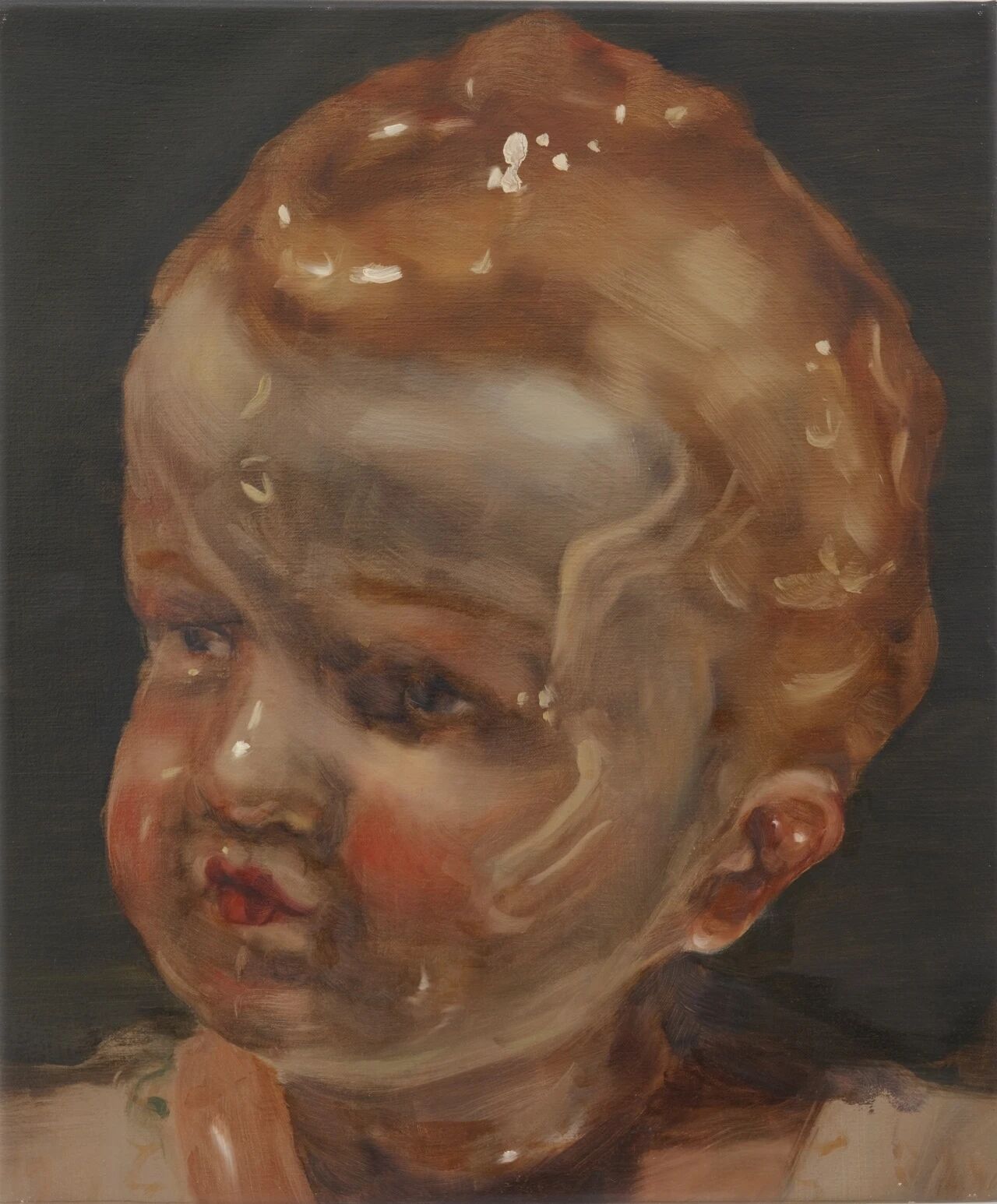
Michaël Borremans 米凯尔·博伊曼斯
Miriam Cahn 米里亚姆·卡恩
Nicola Samori 尼古拉·萨莫里
Tim Eitel 蒂姆·艾特尔
Swoon
Adrian Ghenie 亚德里安·格尼
Alex Katz 亚历克斯·卡茨
Frierich Einhoff 弗里德里希·埃因霍夫
Karin Mamma Adresson
卡琳·玛玛·安德森
Marc Quinn 马克·奎安
Marlene Dumas 马琳·杜马斯
Michaël Borremans 米凯尔·博伊曼斯
Miriam Cahn 米里亚姆·卡恩
Nicola Samori 尼古拉·萨莫里
Tim Eitel 蒂姆·艾特尔
Swoon
Organizer
Yi Space
Yi Space
Curator
Regines Lou
Regines Lou
Address
Yi Space, No. 46-1, Siyi Road, Qingbo Street, Shangcheng District, Hangzhou City
Yi Space, No. 46-1, Siyi Road, Qingbo Street, Shangcheng District, Hangzhou City
The most intriguing surface in the world is the human face. — Georg Christoph Lichtenberg, "The Cabinet of Curiosities"
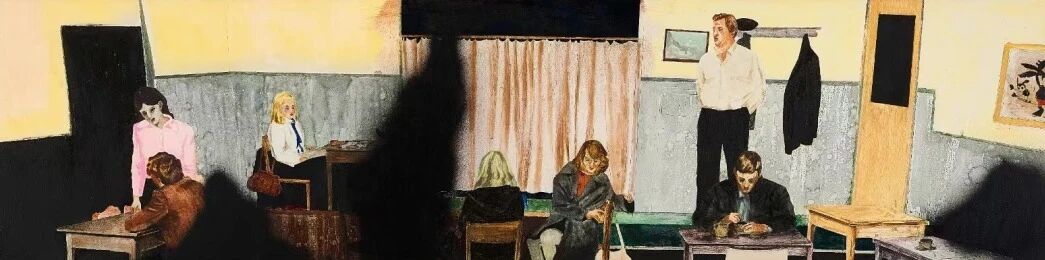
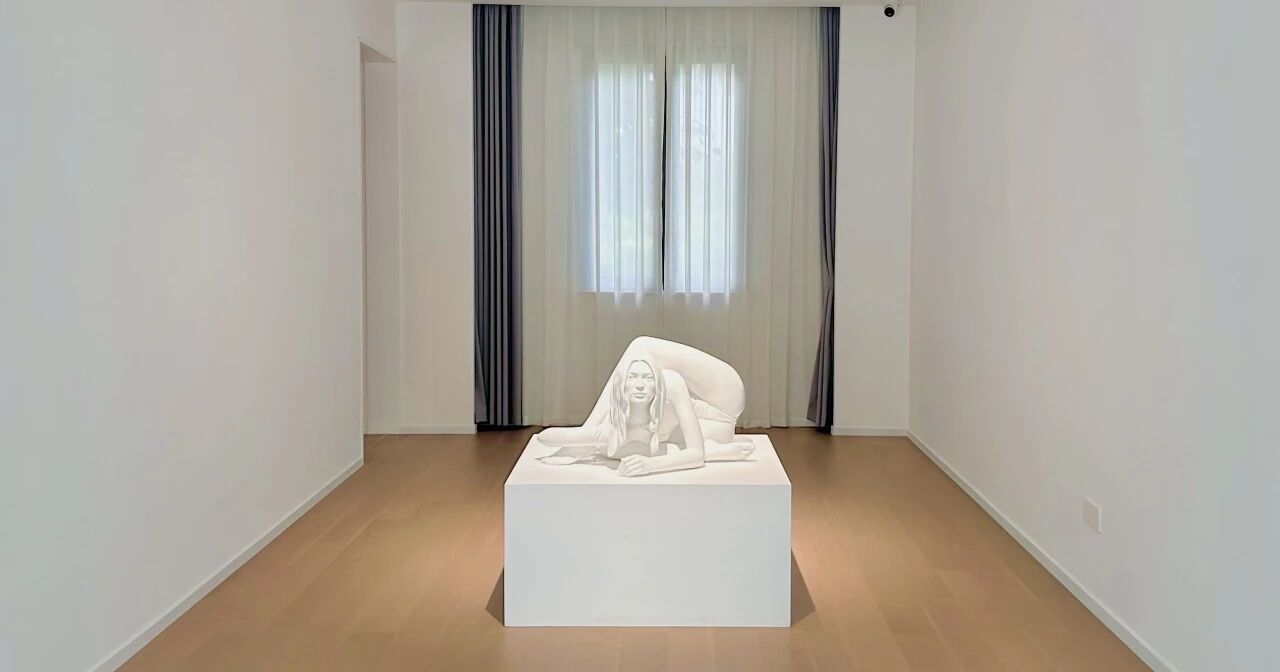
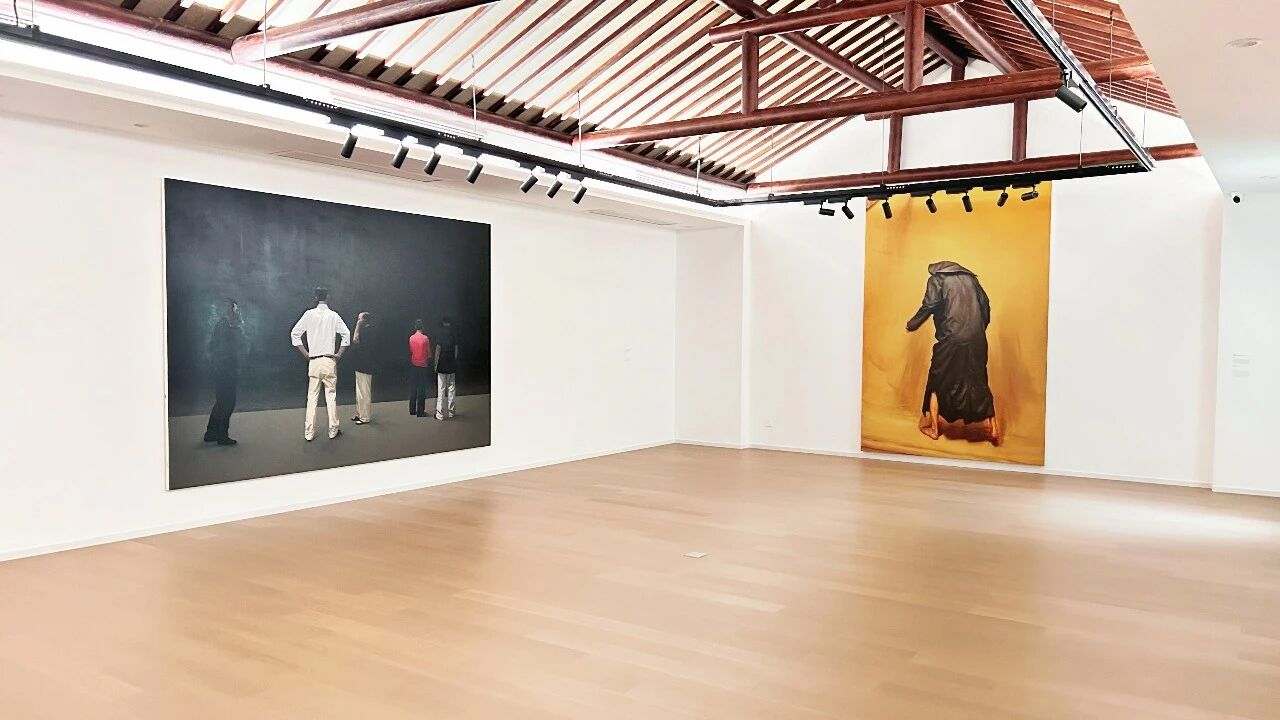
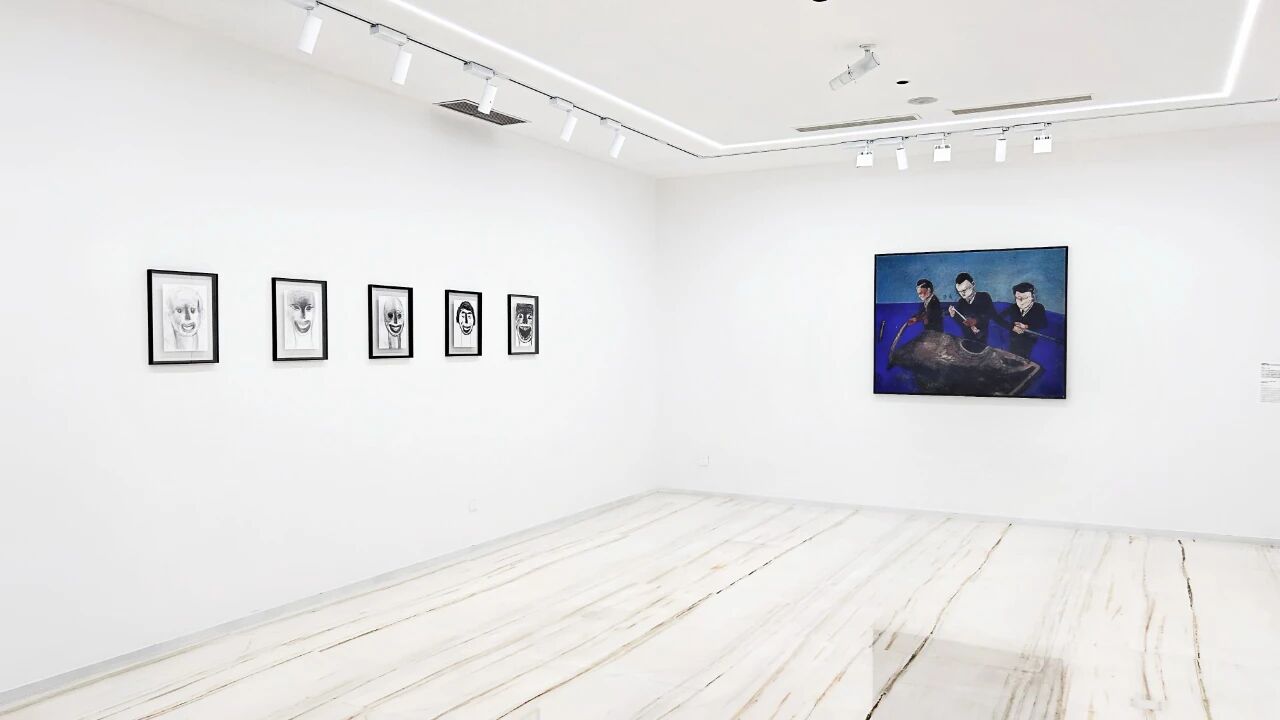
The human face, as a biological appearance inherently endowed with emotions and complexity, fluctuates and changes with different stages of life. Life brushes past people's faces, leaving indelible marks.
In the history of European culture, portraiture broke free from the constraints of court painting and internalized the consciousness of death. At the same time, it was endowed with the function of recording and generating memories, giving rise to the history of individual portraits. Faces became one of the representative images of "human beings". Portraits of faces in public spaces follow prevailing social customs. It can be said that each person's face represents a part of our social nature.
Since then, modern paintings that defy traditional portraits have emerged in an endless stream, highlighting the increasingly prominent self-questions hidden beneath human faces. Represented by Francis Bacon, the human faces depicted by artists are breaking free from the "mask of depiction" through their expressions. The deepening of the issues of the times has necessitated the repeated reiteration of "what is an individual and what should it be?" The representation issues hidden behind static portraits and dynamic human faces continue to arise. In contemporary social life, people repeatedly deconstruct and express faces in the fields of art and media. French historian Jacques Le Goff believes that "historical anthropology is both the material development history of society and the history of social customs. Human flesh is often a reflection of social reality."
The human face, as a motif that has persisted in artistic creation for thousands of years, serves as a carrier of expressions, a symbol of identity, and a representation of time and space. Often, through the depiction of faces in the present, we can peel away the emotional clumps in our memories
The human face, as a biological appearance inherently endowed with emotions and complexity, fluctuates and changes with different stages of life. Life brushes past people's faces, leaving indelible marks.
In the history of European culture, portraiture broke free from the constraints of court painting and internalized the consciousness of death. At the same time, it was endowed with the function of recording and generating memories, giving rise to the history of individual portraits. Faces became one of the representative images of "human beings". Portraits of faces in public spaces follow prevailing social customs. It can be said that each person's face represents a part of our social nature.
Since then, modern paintings that defy traditional portraits have emerged in an endless stream, highlighting the increasingly prominent self-questions hidden beneath human faces. Represented by Francis Bacon, the human faces depicted by artists are breaking free from the "mask of depiction" through their expressions. The deepening of the issues of the times has necessitated the repeated reiteration of "what is an individual and what should it be?" The representation issues hidden behind static portraits and dynamic human faces continue to arise. In contemporary social life, people repeatedly deconstruct and express faces in the fields of art and media. French historian Jacques Le Goff believes that "historical anthropology is both the material development history of society and the history of social customs. Human flesh is often a reflection of social reality."
The human face, as a motif that has persisted in artistic creation for thousands of years, serves as a carrier of expressions, a symbol of identity, and a representation of time and space. Often, through the depiction of faces in the present, we can peel away the emotional clumps in our memories