








Beyond The Gaze
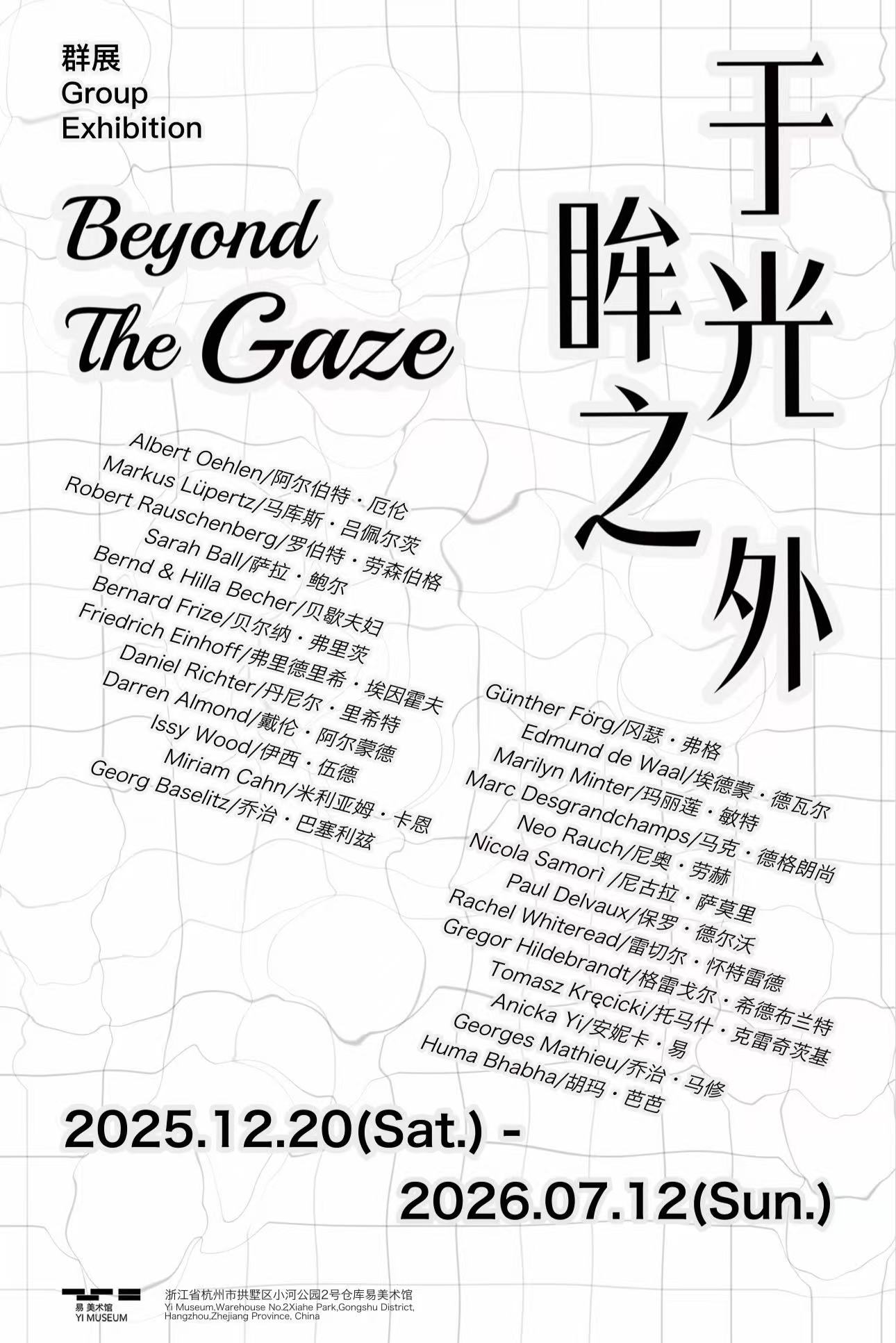
2025.12.19-2026.07.12
Artist
Albert Oehlen 阿尔伯特·厄伦
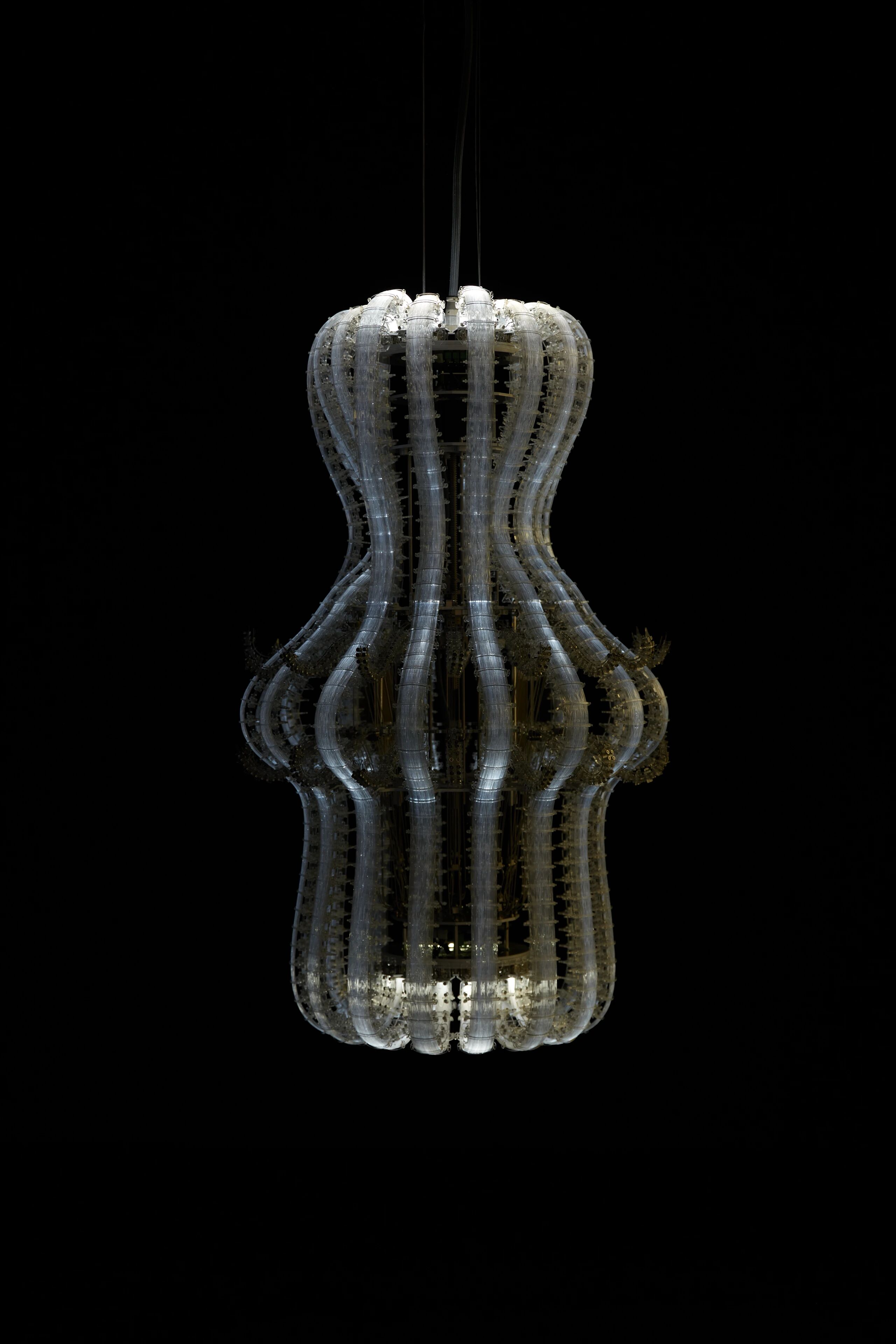
Anicka Yi 安妮卡·易
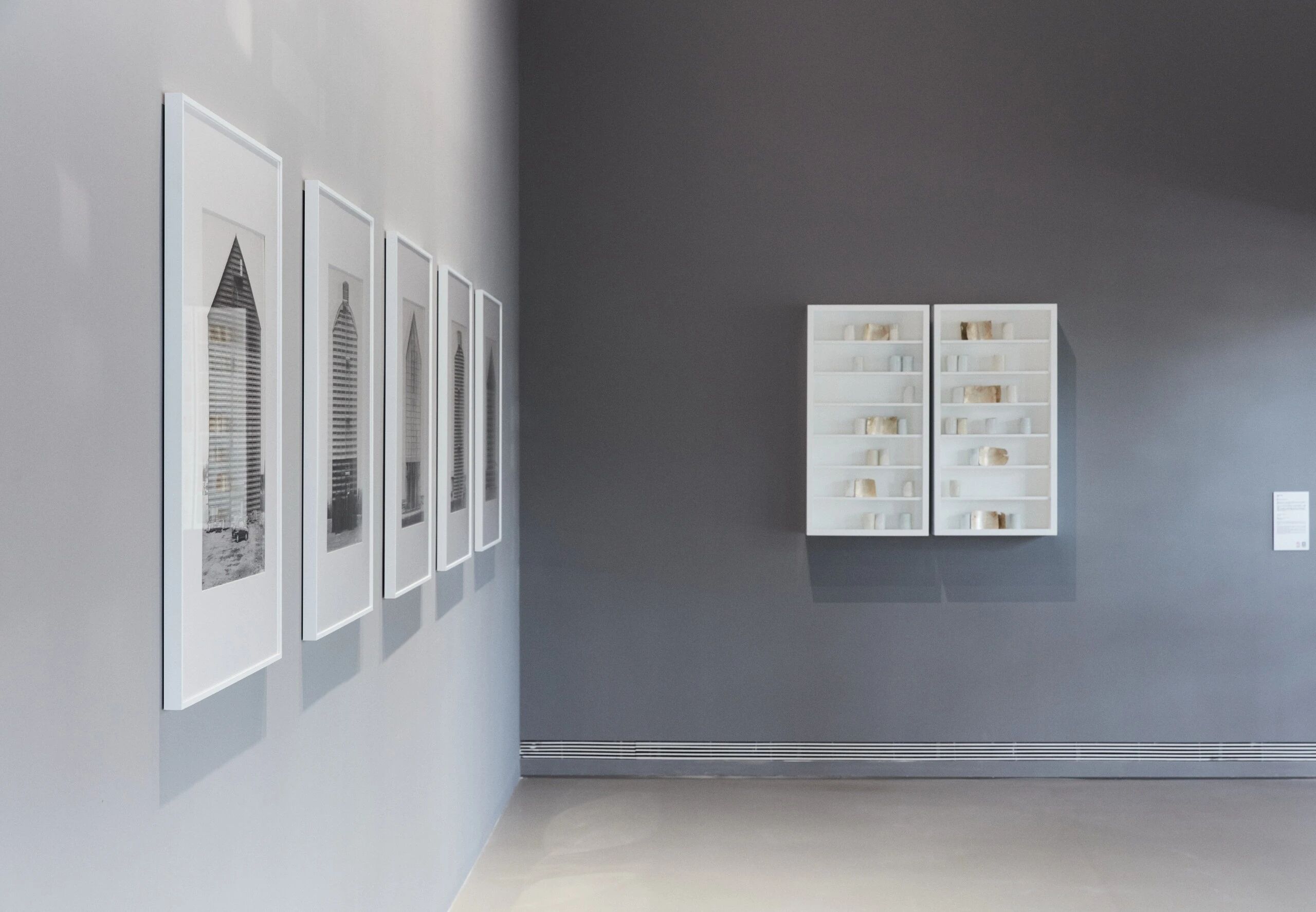
Bernd & Hilla Becher 贝歇夫妇
Bernard Frize 贝尔纳·弗里茨
Darren Almond 戴伦·阿尔蒙德
Daniel Richter 丹尼尔·里希特
Edmund de Waal 埃德蒙·德瓦尔
Friedrich Einhoff 弗里德里希·埃因霍夫
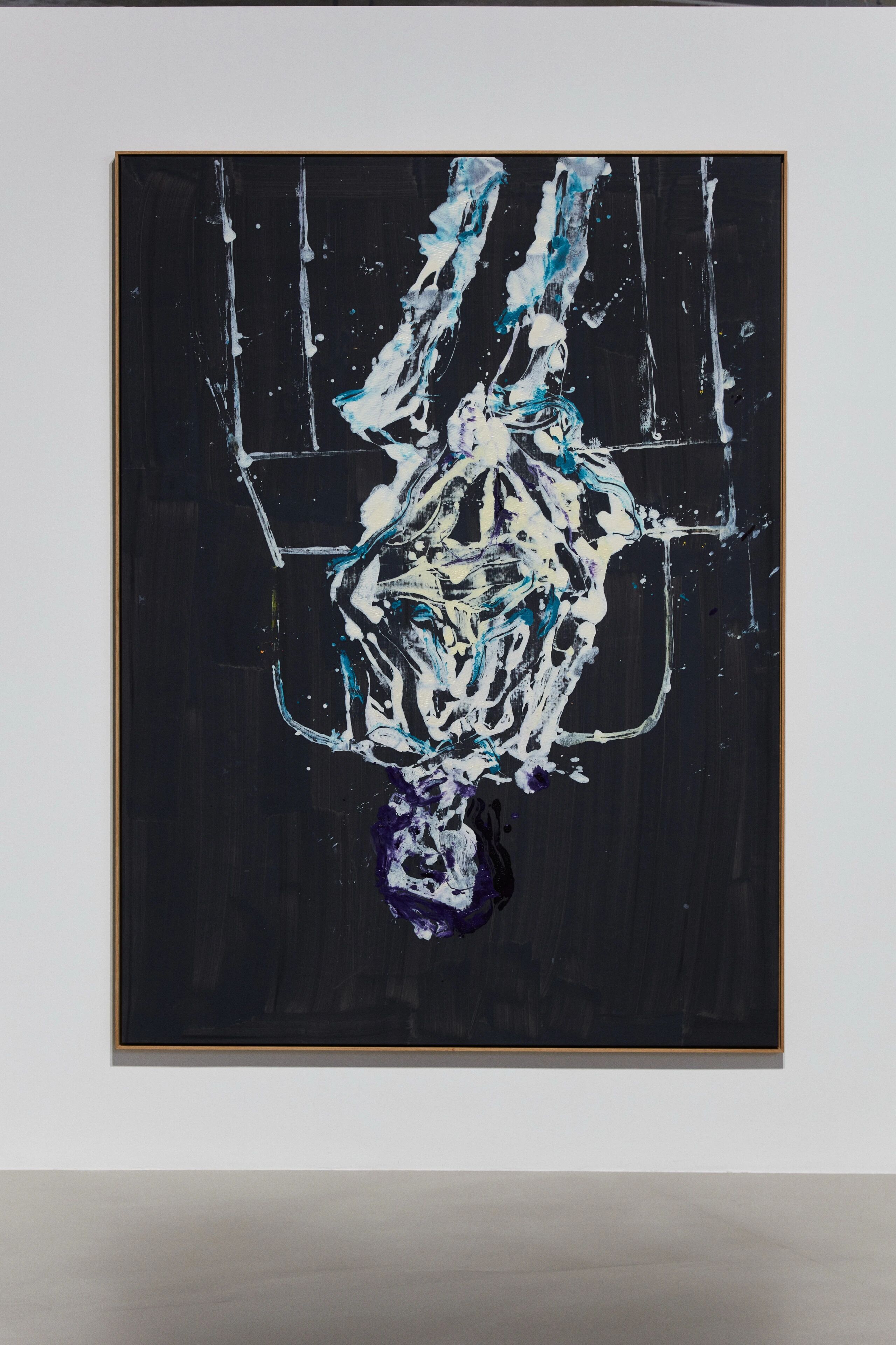
Georg Baselitz 乔治·巴塞利兹
Georges Mathieu 乔治·马修
Gregor Hildebrandt 格雷戈尔·希德布兰特
Günther Förg 冈瑟·弗格
Huma Bhabha 胡玛·芭芭
Issy Wood 伊西·伍德
Marc Desgrandchamps 马克·德格朗尚
Marilyn Minter 玛丽莲·敏特
Markus Lüpertz 马库斯·吕佩尔茨
Miriam Cahn 米利亚姆·卡恩
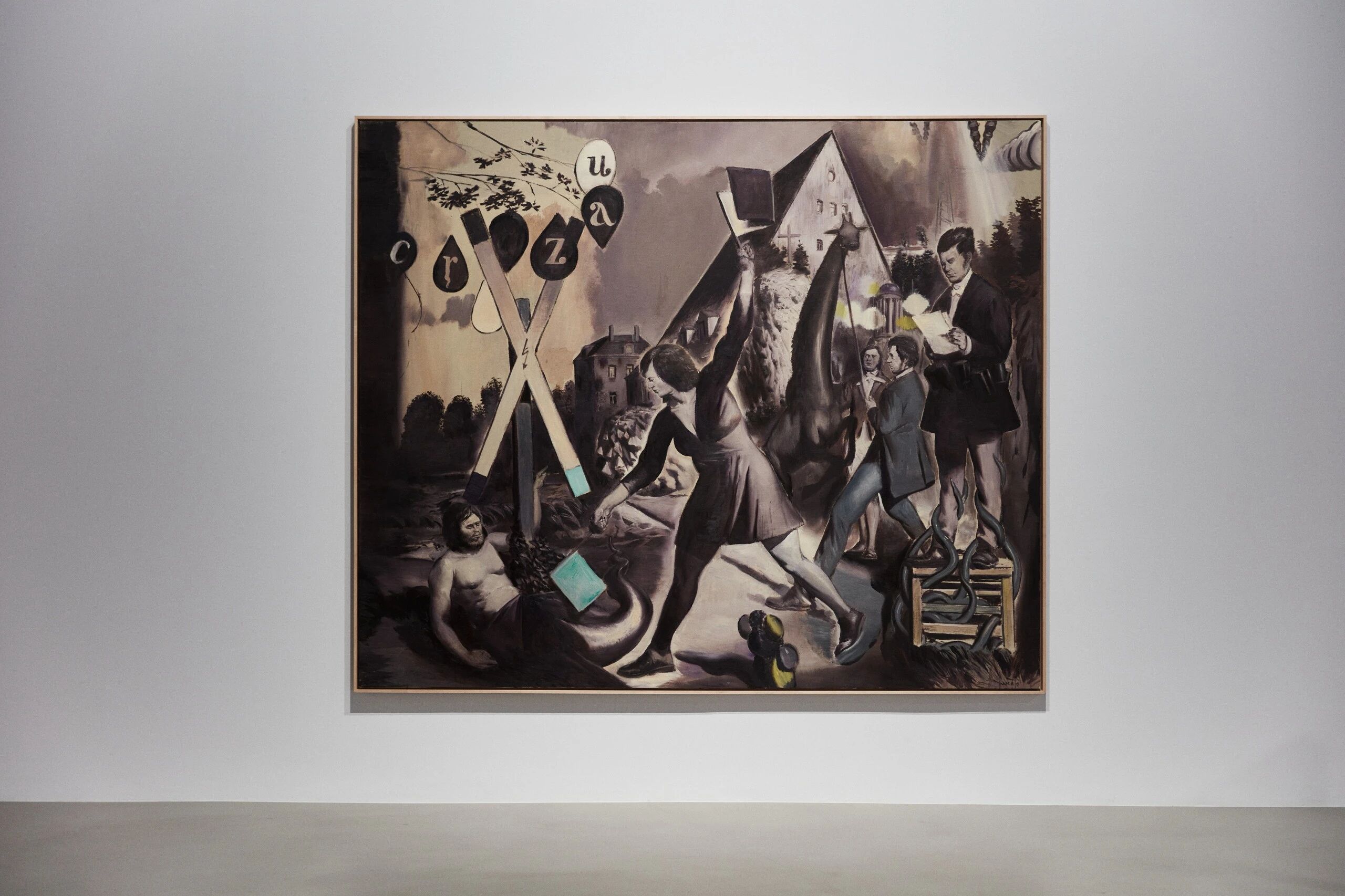
Neo Rauch 尼奥·劳赫
Nicola Samorì 尼古拉·萨莫里
Paul Delvaux 保罗·德尔沃
Rachel Whiteread 雷切尔·怀特雷德
Robert Rauschenberg 罗伯特·劳森伯格
Sarah Ball 萨拉·鲍尔
Tomasz Krecicki 托马什·克雷奇茨基
Albert Oehlen 阿尔伯特·厄伦
Anicka Yi 安妮卡·易
Bernd & Hilla Becher 贝歇夫妇
Bernard Frize 贝尔纳·弗里茨
Darren Almond 戴伦·阿尔蒙德
Daniel Richter 丹尼尔·里希特
Edmund de Waal 埃德蒙·德瓦尔
Friedrich Einhoff 弗里德里希·埃因霍夫
Georg Baselitz 乔治·巴塞利兹
Georges Mathieu 乔治·马修
Gregor Hildebrandt 格雷戈尔·希德布兰特
Günther Förg 冈瑟·弗格
Huma Bhabha 胡玛·芭芭
Issy Wood 伊西·伍德
Marc Desgrandchamps 马克·德格朗尚
Marilyn Minter 玛丽莲·敏特
Markus Lüpertz 马库斯·吕佩尔茨
Miriam Cahn 米利亚姆·卡恩
Neo Rauch 尼奥·劳赫
Nicola Samorì 尼古拉·萨莫里
Paul Delvaux 保罗·德尔沃
Rachel Whiteread 雷切尔·怀特雷德
Robert Rauschenberg 罗伯特·劳森伯格
Sarah Ball 萨拉·鲍尔
Tomasz Krecicki 托马什·克雷奇茨基
Organizer
Yi Museum
Yi Museum
Curator
Regines Lou
Regines Lou
Address
Yi Museum,Warehouse No2Xiaohe Park,Gongshu District,Hangzhou
Yi Museum,Warehouse No2Xiaohe Park,Gongshu District,Hangzhou
Time drapes itself in a gauze of light, extending the antennae of vision toward the unknown and whispering between the folds of sight. This is not an exhibition about seeing; rather, it is a gentle inquiry into visibility itself. Only when we learn to wander through the mist between the visible and the invisible may we once again touch the trembling origin of vision—the primal moment of confronting existence before naming or classification, when the world and the self first met in unmediated encounter.
True seeing often requires a degree of defocus. When the contours of things waver in soft light, they approach their most authentic form. The overexposed presences of daily life quietly recede, while those subtle traces that have always dwelled at the edges of perception begin to surface—the intervals between colors, the resonance that lingers after form dissolves, the fleeting in-between that flickers through a shifting gaze. We do not merely see images—we are also seen by them. Vision is never a purely optical act; it is a system, a structured mode of perception, an ideology constantly reshaped within modernity.
From the perspective systems of the Renaissance to the invention of photography and onward to algorithmic imagery today, the history of seeing is, in essence, a history of the relationship between subject and world: Who possesses the power to gaze? Who is placed within the field of visibility? Who becomes the Other within the image? Brunelleschi and Alberti transformed sight into geometric order, allowing humanity, for the first time, to confront the world as its “center.” Everything within the perspective grid was orderly, measurable, and transparent; the viewer enjoyed absolute sovereignty. Yet this sovereignty gradually dissolved in modernity—images came to exist independently of human eyes, and the world was redefined through the lens of machines. Cubism further dismantled the single point of view, revealing simultaneity and fragmentation. From then on, vision ceased to be a direction and became a movement.
With the rise of industrial reproduction and consumer culture, seeing became embedded within social mechanisms. In Andy Warhol’s mass-produced Pop images, the act of looking was diluted, hierarchies of images collapsed, and individual existence became standardized and replaceable. The digital screen, in turn, emerged as a new device of perspective—one that no longer presents the world before us but instead exposes us ceaselessly to the gaze of algorithms. To be seen has become a fundamental condition of daily experience; people live in a posture of self-display, as the boundary between seeing and being seen completely dissolves.
Thus, between the act of looking and being looked at, the individual is continuously reshaped and reproduced. Seeing is no longer merely the beginning of perception but a mode of existence itself—where, between the visible and the invisible, the world and the subject ceaselessly generate one another, and are redefined beyond the reach of the gaze.
Moving through the crevices of vision, the curtain of the world lifts ever so slightly, and what we glimpse is the boundless expanse beyond seeing itself.
True seeing often requires a degree of defocus. When the contours of things waver in soft light, they approach their most authentic form. The overexposed presences of daily life quietly recede, while those subtle traces that have always dwelled at the edges of perception begin to surface—the intervals between colors, the resonance that lingers after form dissolves, the fleeting in-between that flickers through a shifting gaze. We do not merely see images—we are also seen by them. Vision is never a purely optical act; it is a system, a structured mode of perception, an ideology constantly reshaped within modernity.
From the perspective systems of the Renaissance to the invention of photography and onward to algorithmic imagery today, the history of seeing is, in essence, a history of the relationship between subject and world: Who possesses the power to gaze? Who is placed within the field of visibility? Who becomes the Other within the image? Brunelleschi and Alberti transformed sight into geometric order, allowing humanity, for the first time, to confront the world as its “center.” Everything within the perspective grid was orderly, measurable, and transparent; the viewer enjoyed absolute sovereignty. Yet this sovereignty gradually dissolved in modernity—images came to exist independently of human eyes, and the world was redefined through the lens of machines. Cubism further dismantled the single point of view, revealing simultaneity and fragmentation. From then on, vision ceased to be a direction and became a movement.
With the rise of industrial reproduction and consumer culture, seeing became embedded within social mechanisms. In Andy Warhol’s mass-produced Pop images, the act of looking was diluted, hierarchies of images collapsed, and individual existence became standardized and replaceable. The digital screen, in turn, emerged as a new device of perspective—one that no longer presents the world before us but instead exposes us ceaselessly to the gaze of algorithms. To be seen has become a fundamental condition of daily experience; people live in a posture of self-display, as the boundary between seeing and being seen completely dissolves.
Thus, between the act of looking and being looked at, the individual is continuously reshaped and reproduced. Seeing is no longer merely the beginning of perception but a mode of existence itself—where, between the visible and the invisible, the world and the subject ceaselessly generate one another, and are redefined beyond the reach of the gaze.
Moving through the crevices of vision, the curtain of the world lifts ever so slightly, and what we glimpse is the boundless expanse beyond seeing itself.