








Reflection of Memory
2026.08.08-2027.03.07
Artist
Chiharu Shiota
Chiharu Shiota
Organizer
Yi Museum
Yi Museum
Curator
Regines Lou
Regines Lou
Address
Yi Museum, Warehouse No2Xiaohe Park, Gongshu District,Hangzhou
Yi Museum, Warehouse No2Xiaohe Park, Gongshu District,Hangzhou
Hangzhou is a city woven with water. The shimmer of West Lake, the shadows of boats on the Grand Canal, and the drifting mist of the rainy season together form the foundational fabric of this city's spatial experience.Water seeps into brick walls, flows over bridge arches, and reflects every passerby who passes by.
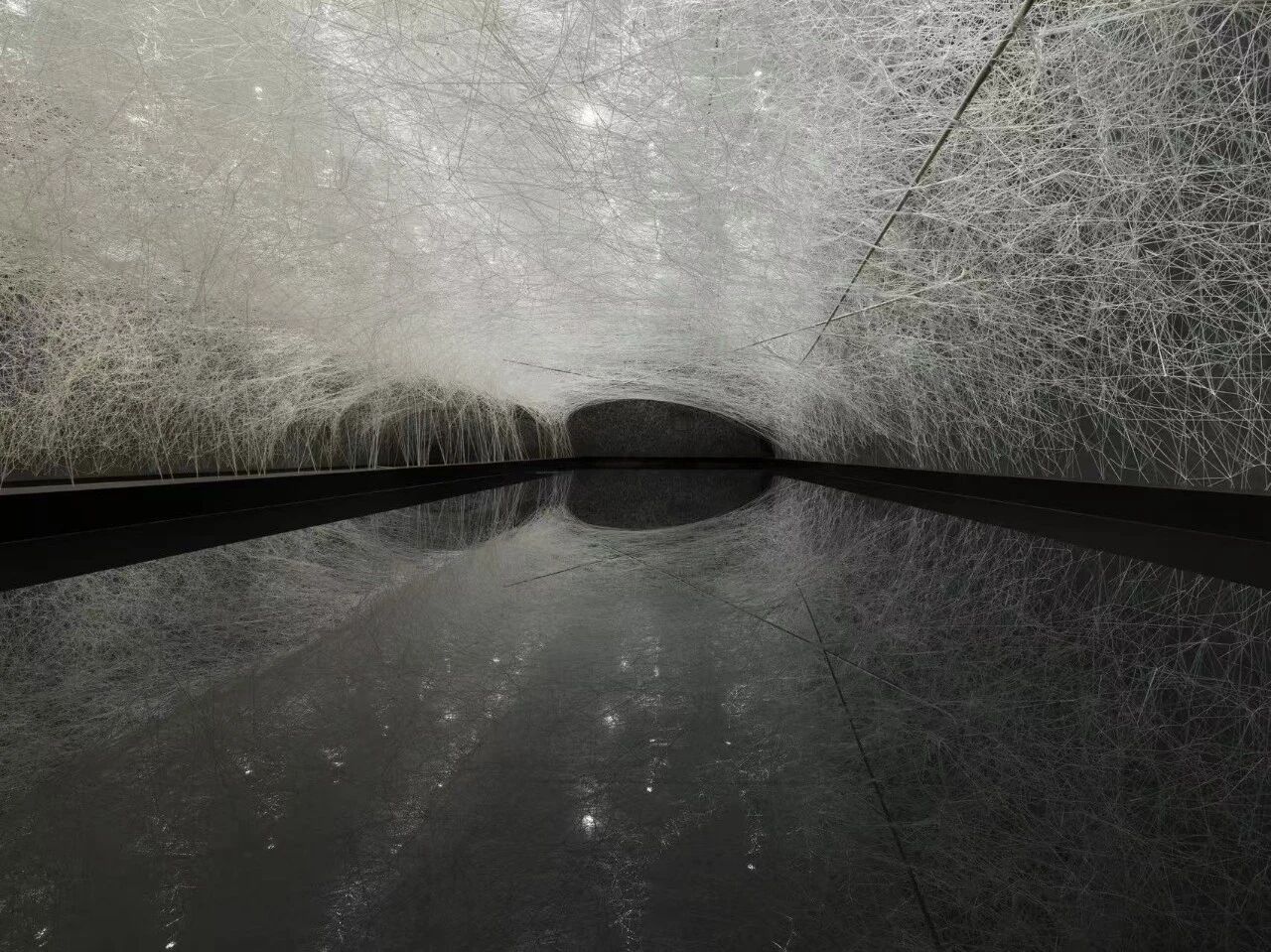
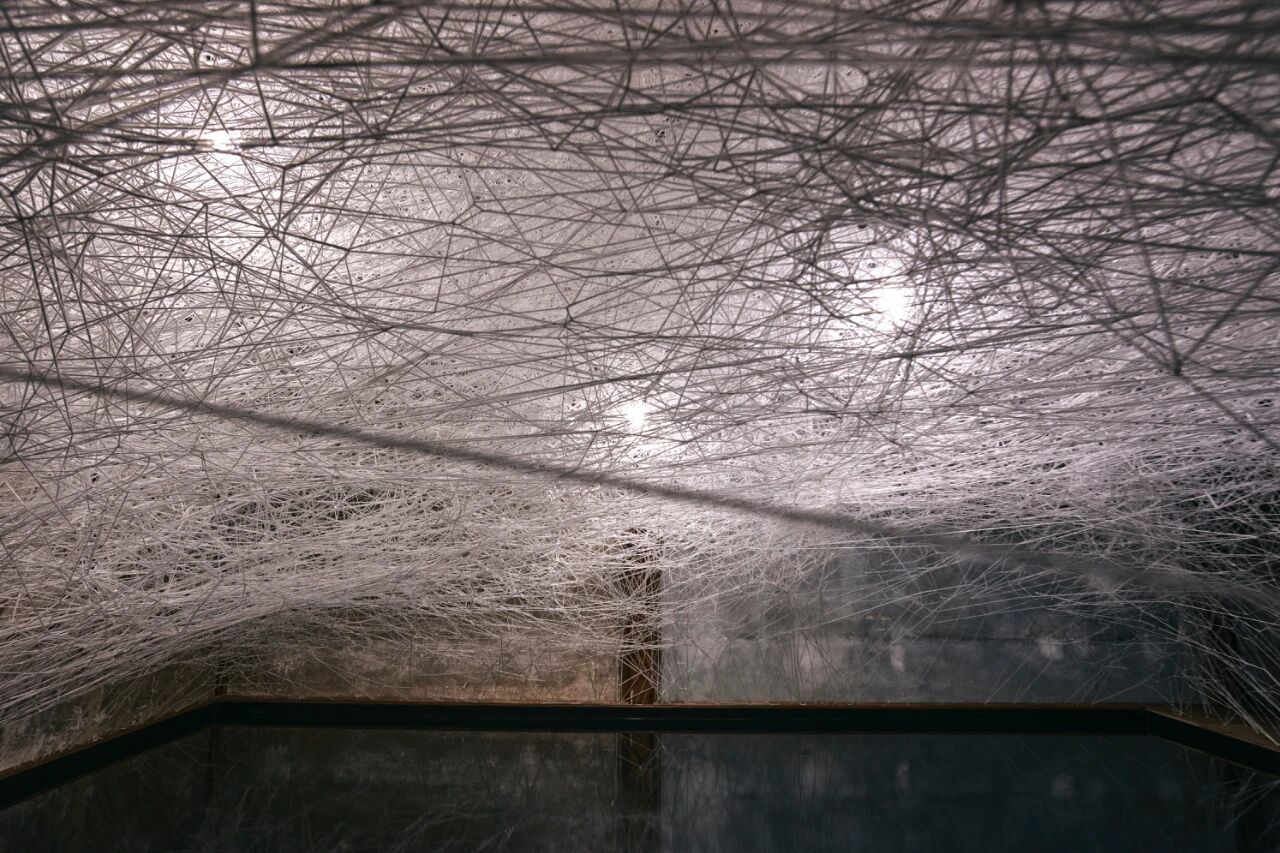
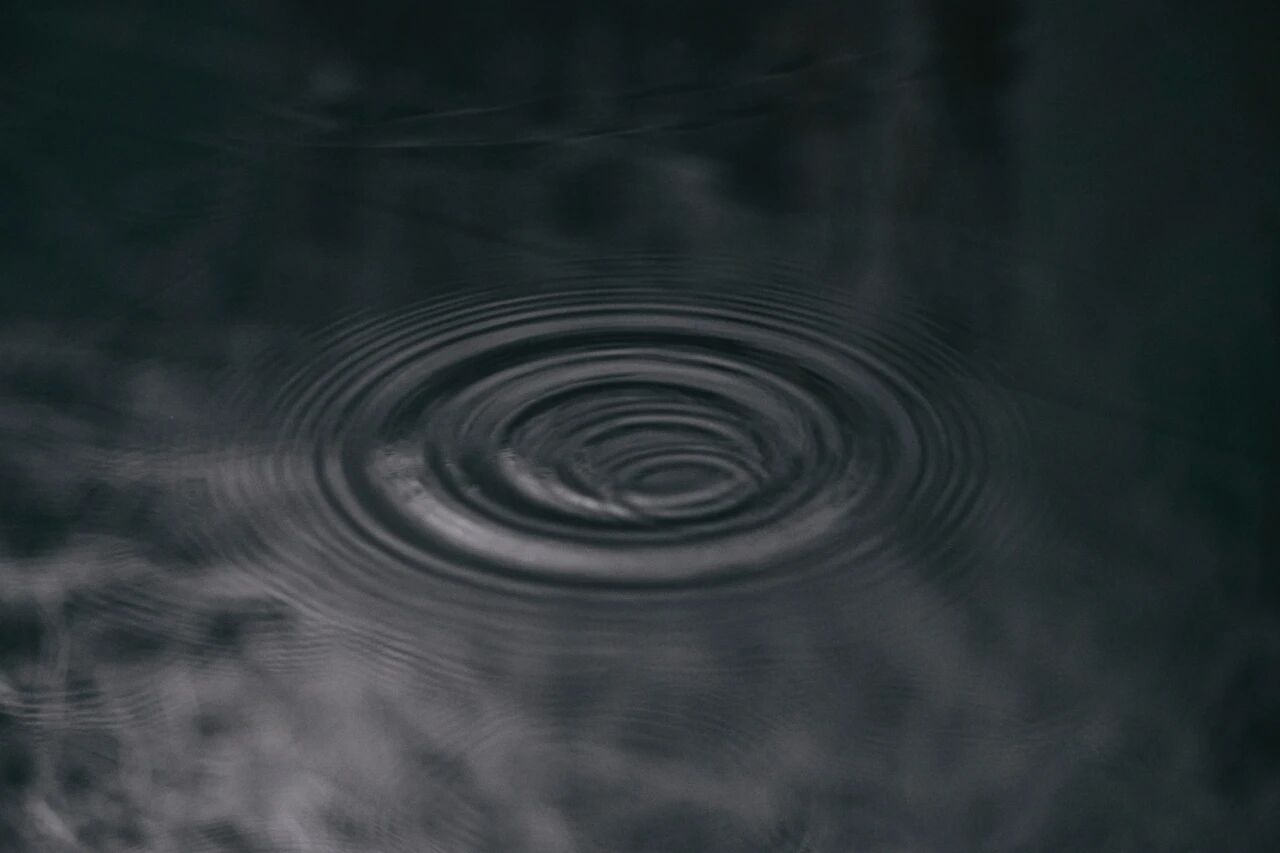
Water is a recurring motif in Chiharu Shiota's work. For her, it is both the original site of life and the direct vessel of emotion. The centerpiece of this exhibition, Reflection of Memory, is the condensation of this long-standing meditation. The expansive white thread structures in the gallery recall both the neural networks of the brain and the evaporating mist above a lake. Upon the fine threads, water droplets gather and fall, stirring ripples layer after layer—memory fades with time like these ripples, yet beneath the surface there always lies an undisturbed depth. Each falling drop brings to light once again the hidden connections that run through life.
"White" here acquires a distinctive meaning: it is not emptiness,but the trace of all that once was. Han Kang writes in The White Book that "white is ten thousand snowflakes falling silently from the sky, without sorrow or joy", and he weaves everyday white objects into a meditation on the fragility and tenacity of life. Takamura Kotaro's white is the final form of things before they vanish, the contour that refuses to disperse even as memory fades. And Shiota's white is nerve, is vapor, is the endings of an inner surfacing outward entagling, bifurcating, extending, never closing. The white mesh of threads hangs in mid-air, like memory itself, perpetually on the verge of dissolution yet always remaining.
The surface of water lies precisely at the boundary between the visible and the invisible. It is both the terminus of appearance and the threshold of depth. Every person who enters this space is another droplet. Gazes, breaths, movements—all will leave their traces in the trembling of the threads. Those sensations long excluded by language—the vague, the unfinished, the uncertain—might here find their form within this expanse of white.
This exhibition offers no answers,but a surface of water for each viewer to face alone. While witnessing the memories of others, the audience is also called back to their own inner universe: those obscured, unnamed parts of the self, waiting for a drop to stir them into motion. What Chiharu Shiota has sought throughout her career is precisely this inner surface belonging to every individual—those thoughts, emotions, and memories lying beneath the level of consciousness, like roots and rhythms under water, never ceasing to grow yet seldom gazed upon.
Making the inner world visible always comes with risk. Shiota admits, “Letting others see what is inside us is an act of exposure. Sometimes revealing too much invites misunderstanding and judgment, but more often, sharing our feelings also means forging connections.” Art-making, in her view, is precisely a process of creating connections—linking individual consciousness to the surrounding world, and interweaving personal experience with a greater, more encompassing existence. What this exhibition hopes to offer is not an answer, but a passage: to dive from the visible surface into invisible depths, to step from solid ground onto the wavering surface of water.
Above the surface lies the reality where the viewer stands;below it lies the inner universe Shiota weaves with threads—a universe that belongs to each one of us. Step into this surface of memory, and amid the interweaving of threads and the rippling of water, rediscover the forgotten, the concealed, the as-yet-unnamed self.
Water is a recurring motif in Chiharu Shiota's work. For her, it is both the original site of life and the direct vessel of emotion. The centerpiece of this exhibition, Reflection of Memory, is the condensation of this long-standing meditation. The expansive white thread structures in the gallery recall both the neural networks of the brain and the evaporating mist above a lake. Upon the fine threads, water droplets gather and fall, stirring ripples layer after layer—memory fades with time like these ripples, yet beneath the surface there always lies an undisturbed depth. Each falling drop brings to light once again the hidden connections that run through life.
"White" here acquires a distinctive meaning: it is not emptiness,but the trace of all that once was. Han Kang writes in The White Book that "white is ten thousand snowflakes falling silently from the sky, without sorrow or joy", and he weaves everyday white objects into a meditation on the fragility and tenacity of life. Takamura Kotaro's white is the final form of things before they vanish, the contour that refuses to disperse even as memory fades. And Shiota's white is nerve, is vapor, is the endings of an inner surfacing outward entagling, bifurcating, extending, never closing. The white mesh of threads hangs in mid-air, like memory itself, perpetually on the verge of dissolution yet always remaining.
The surface of water lies precisely at the boundary between the visible and the invisible. It is both the terminus of appearance and the threshold of depth. Every person who enters this space is another droplet. Gazes, breaths, movements—all will leave their traces in the trembling of the threads. Those sensations long excluded by language—the vague, the unfinished, the uncertain—might here find their form within this expanse of white.
This exhibition offers no answers,but a surface of water for each viewer to face alone. While witnessing the memories of others, the audience is also called back to their own inner universe: those obscured, unnamed parts of the self, waiting for a drop to stir them into motion. What Chiharu Shiota has sought throughout her career is precisely this inner surface belonging to every individual—those thoughts, emotions, and memories lying beneath the level of consciousness, like roots and rhythms under water, never ceasing to grow yet seldom gazed upon.
Making the inner world visible always comes with risk. Shiota admits, “Letting others see what is inside us is an act of exposure. Sometimes revealing too much invites misunderstanding and judgment, but more often, sharing our feelings also means forging connections.” Art-making, in her view, is precisely a process of creating connections—linking individual consciousness to the surrounding world, and interweaving personal experience with a greater, more encompassing existence. What this exhibition hopes to offer is not an answer, but a passage: to dive from the visible surface into invisible depths, to step from solid ground onto the wavering surface of water.
Above the surface lies the reality where the viewer stands;below it lies the inner universe Shiota weaves with threads—a universe that belongs to each one of us. Step into this surface of memory, and amid the interweaving of threads and the rippling of water, rediscover the forgotten, the concealed, the as-yet-unnamed self.